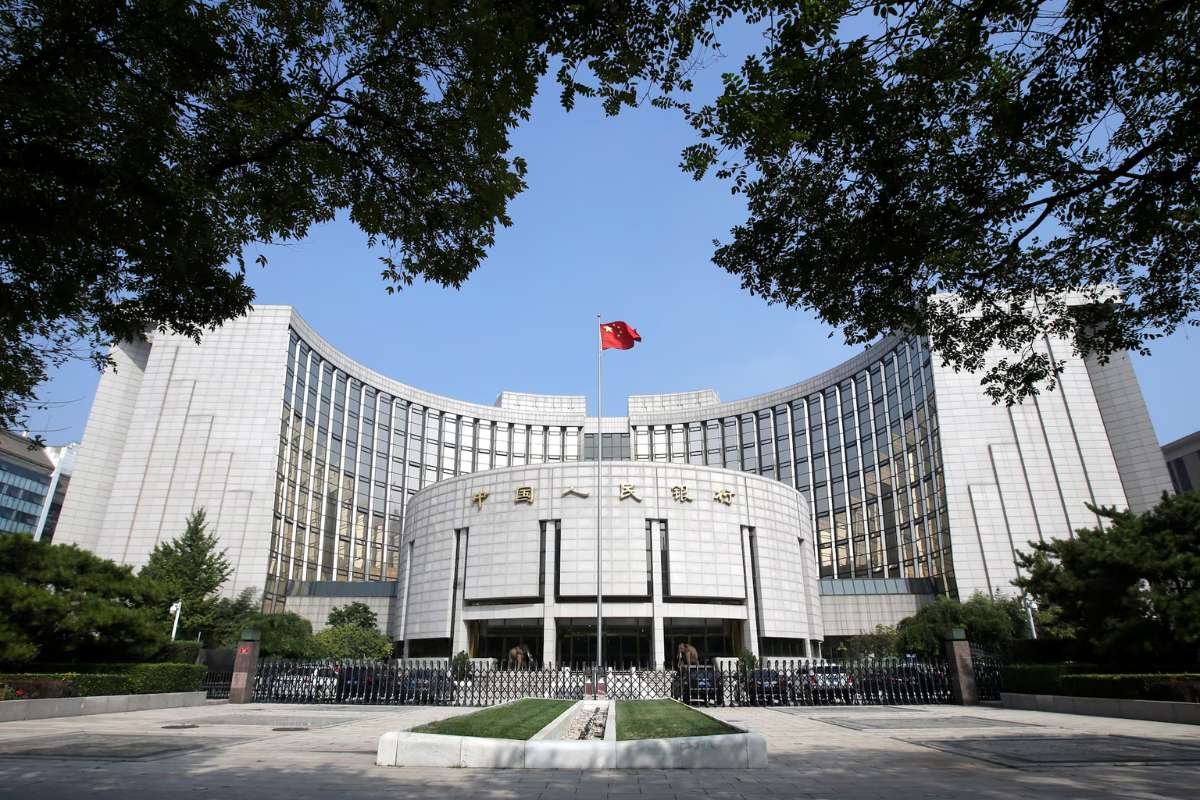
As the Lunar New Year approaches, the People’s Bank of China is stepping in to ensure banks have enough cash to meet rising seasonal demand. The central bank recently carried out a PBOC liquidity injection of 600 billion yuan into the financial system through 14 day repurchase agreements, ending a two month pause in such operations. The move signals a renewed focus on stabilizing liquidity as businesses and households prepare for the holiday period.
Liquidity Measures Target Seasonal Cash Demand
Market estimates suggest the financial system could face a liquidity gap of about 3.2 trillion yuan in the coming days. Banks are managing higher withdrawals linked to holiday spending, increased government bond issuance, and rising corporate demand for yuan. These factors are expected to draw down available funds across the system.
To prevent disruptions, the central bank has already expanded its liquidity support. Earlier this month, it doubled bond purchases and injected a record 1 trillion yuan in medium and long term funds into banks. This PBOC liquidity injection strategy is part of a broader effort to offset a 3.2 trillion yuan shortfall caused by the longest-ever Lunar New Year holiday. Analysts at Industrial Securities believe authorities could provide as much as 3.5 trillion yuan in additional liquidity before the holiday begins.
Economists note that maintaining stable funding conditions is essential for business continuity. For entrepreneurs and company leaders, stable liquidity helps ensure smoother payments, stable credit access, and reduced volatility in borrowing costs during peak spending periods.
Household activity is also contributing to liquidity pressure. Holiday travel and the tradition of giving cash filled red envelopes are expected to result in an estimated 900 billion yuan outflow. At the same time, 405.5 billion yuan in reverse repos are set to mature this week, along with another 500 billion yuan in outright maturities, further tightening available cash.
Government financing adds another layer of demand. Local governments are expected to issue around 950 billion yuan in bonds in the first half of the month, marking a notable increase from January totals. Central government issuance of about 412 billion yuan is also scheduled. Accelerated bond sales before the holiday may intensify near term liquidity strain.
Market Outlook And Policy Expectations
Currency movements are adding to the dynamics. Exporters converting dollar earnings into yuan are increasing demand for the domestic currency. The yuan has appreciated 2.6 percent since late October, supported by capital inflows and a weaker dollar, a shift that comes alongside the recent PBOC liquidity injection. This trend may further absorb liquidity from the banking system.
In addition to cash injections, the central bank lowered the interest rate on its one year policy loans to a historic low of 1.5 percent last month. The adjustment aims to support broader economic activity and ease funding costs for banks.
Looking ahead, economists expect further policy adjustments this year. Projections include a 50 basis point reduction in the reserve requirement ratio and additional interest rate cuts. Upcoming inflation data will likely shape the timing and scale of these decisions.
Although borrowing costs have risen from their lowest levels since 2023, analysts expect rates to remain moderate. Many believe the central bank has sufficient tools to bridge funding gaps and keep liquidity conditions stable during seasonal peaks. This PBOC liquidity injection strategy is particularly crucial this week, as markets adjust to the start of the Lunar New Year holiday following Sunday’s kick-off.
For business owners, steady liquidity during the Lunar New Year period supports smoother transactions, supply chain payments, and access to credit. As demand for cash rises, policy actions appear aimed at ensuring that financial conditions remain stable through one of the busiest times of the year.