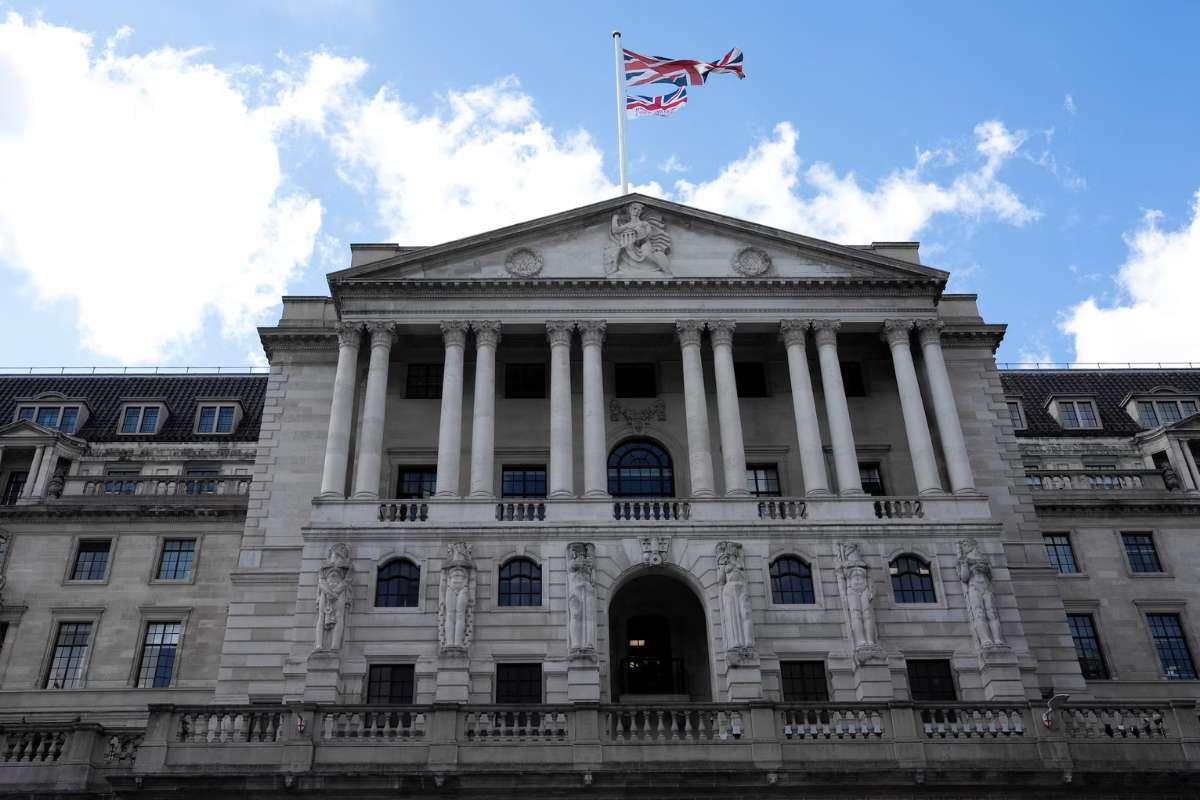
The Bank of England is widely expected to keep its benchmark interest rate unchanged at its upcoming policy meeting, as decision makers seek more confirmation that inflation pressures are easing. Financial markets and most economists anticipate a Bank of England rate hold, with attention focused on signals about the future direction of policy rather than an instant change in borrowing costs.
Market Expectations And Policy Outlook
Investors assign a very low probability to a rate cut at this meeting, with markets pricing the likelihood at well under one percent. Most economists expect the policy rate to remain at 3.75 percent, which already stands at its lowest level in three years. The prevailing view is that the Monetary Policy Committee will support a hold by a clear majority, with only two members likely to favor an immediate reduction.
The committee last reduced rates in December after a narrow vote. At that time, members emphasized that future decisions would require more careful judgment. That message has shaped expectations ahead of the current meeting, where a Bank of England rate hold remains the baseline assumption.. While several analysts expect the next reduction to occur later in the year, April is seen as the earliest realistic window if incoming data supports easing.
All committee members agree that current policy settings are restrictive and continue to weigh on inflation. The difference lies in how strongly that restraint is affecting the broader economy. Inflation remains above target at 3.4 percent, which keeps caution high among members focused on price stability. Forecasts suggest inflation could return to the two percent target in the second quarter, but confirmation is still pending.
Inflation Pressures And Labor Market Signals
Recent economic data presents a mixed picture for policymakers. On the growth side, output figures for November exceeded expectations, and private sector activity expanded at its fastest pace in two years. Retail sales over the holiday period also showed resilience, suggesting consumer demand has not weakened sharply.
At the same time, labor market indicators point to emerging softness. Unemployment has climbed to 5.1 percent, slightly above previous projections—making a Bank of England rate hold the most anticipated outcome for today’s meeting. Reports of job losses have increased, raising concerns about the strength of hiring in the months ahead. For business owners, this combination of steady demand and softer employment conditions creates uncertainty around future wage pressures.
Wages remain a central focus for the central bank. Data from business surveys and the bank’s regional agents will offer insight into expected pay increases this year. Pay growth above levels consistent with the inflation target could delay any further easing. If wage settlements stay elevated, policymakers may prefer to wait longer before adjusting rates.
The bank will also publish updated economic projections alongside the decision. These forecasts will include revised views on inflation, growth, and labor market trends. Changes to household costs, such as lower utility related charges and stable transport prices, are expected to reduce headline inflation this year. However, the medium term outlook may still reflect caution if demand remains firm.
Another area under review is the economy’s potential growth rate. Slower population growth could limit how fast the economy can expand without triggering inflation. Productivity gains could offset this effect, but policymakers may judge it too early to rely on that improvement.
For entrepreneurs and business owners, the expected decision signals continuity rather than a shift. Borrowing costs are likely to stay stable in the near term, allowing firms to plan investments with greater clarity. The central bank’s focus remains on balancing inflation control with signs of slowing employment, confirming that a Bank of England rate hold is the preferred strategy until data provides a clearer path forward.
Overall, the anticipated hold reflects a cautious approach. The Bank of England appears willing to wait for clearer evidence before moving rates again, keeping policy steady as it weighs competing signals from prices, growth, and the labor market.