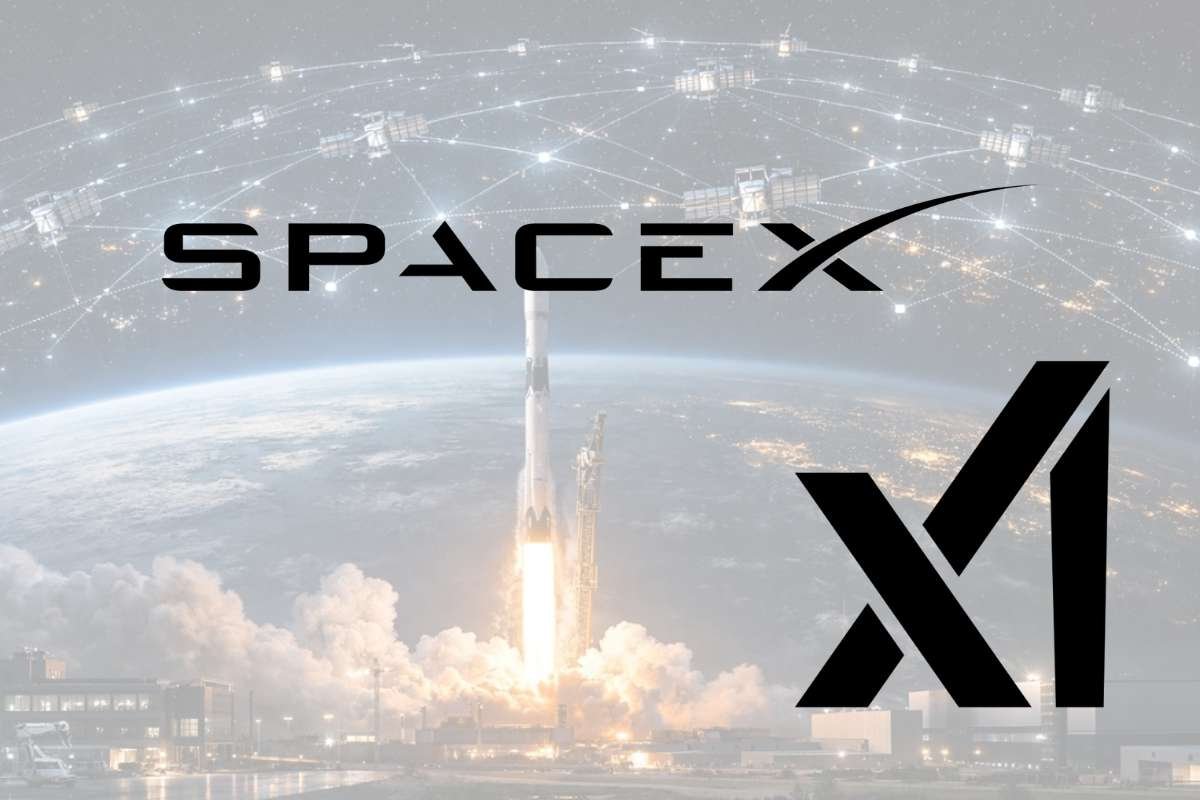
SpaceX has acquired artificial intelligence firm xAI, bringing together two of Elon Musk’s most ambitious ventures and creating what is now the most valuable private company globally. As Spacex acquires xai in landmark fashion, the deal formally combines SpaceX’s aerospace and satellite operations with xAI’s artificial intelligence capabilities, marking a significant structural shift for both businesses.
Strategic Rationale Behind The Merger
The acquisition highlights the growing importance of artificial intelligence within SpaceX’s long term business strategy. xAI has been expanding rapidly in a highly competitive field that demands massive computing power, capital investment, and technical talent. As Spacex acquires xai in landmark fashion, xAI gains access to extensive infrastructure, engineering expertise, and long-range deployment capabilities that few companies can match.
SpaceX was valued at about $800 billion during a secondary share sale in December 2025. xAI was valued at roughly $230 billion following its most recent funding round in January. Together, the combined entity surpasses previous private company valuations and reflects the scale of capital required to support next generation technology platforms.
The move also reflects the broader race among technology firms to secure sufficient computing resources. Artificial intelligence development increasingly depends on vast data processing capacity, energy supply, and physical space. Executives across the technology sector have emphasized that computing constraints may shape future innovation just as much as software breakthroughs.
Musk said that advances in artificial intelligence rely heavily on terrestrial data centers that require enormous amounts of power and cooling. According to him, relocating certain computing operations beyond Earth could offer a path toward lower long term costs and expanded capacity. This thinking aligns closely with SpaceX’s existing satellite and launch capabilities.
Expanding AI Infrastructure Beyond Earth
Spacex acquires xai in landmark developments tied to its broader plans, as the company recently sought approval to deploy a massive satellite constellation intended to support solar powered data processing in orbit. The proposal outlines a vision of space based computing infrastructure designed to meet rapidly growing global data demands driven by artificial intelligence workloads.
Musk has suggested that space may become the lowest cost environment for large scale AI computing within a few years. While the concept remains in early stages, it demonstrates how SpaceX and xAI intend to integrate aerospace engineering with advanced computing systems.
The acquisition comes at a time when technology companies are committing unprecedented sums to AI related infrastructure. Major firms have reported tens of billions of dollars in recent capital spending on data centers and computing hardware. These investments highlight both the opportunity and the financial pressure associated with scaling artificial intelligence platforms.
xAI itself raised $20 billion earlier this year from a group of institutional investors. That funding underscored strong market interest but also illustrated the intensity of capital requirements needed to remain competitive in AI development.
Operational Integration And Future Outlook
There was already considerable overlap between SpaceX and xAI prior to the acquisition. Some personnel held roles across both organizations, particularly in technical and security functions. As Spacex acquires xai in landmark deal, the formal merger is expected to streamline collaboration while also raising questions about organizational structure and workplace integration.
Former employees have publicly noted differences in operating culture between the two companies. SpaceX is known for highly structured engineering processes, while xAI has emphasized rapid experimentation. Managing these approaches under one corporate umbrella will be a key operational challenge.
Musk has previously confirmed plans to take SpaceX public in the future. A combined SpaceX and xAI entity could significantly alter the scale and scope of any eventual public offering. Increased access to public capital markets would further expand the company’s ability to fund ambitious infrastructure and research projects.
For entrepreneurs and business leaders, the acquisition underscores how artificial intelligence is reshaping corporate strategy, capital allocation, and organizational design. The merger reflects a growing belief that future competitive advantage may depend on controlling both advanced software and the physical systems required to run it at scale.