Cars did not always roar. Some hissed, puffed, and steamed like a boiling kettle on wheels. Long before fuel stations and electric chargers, inventors believed steam could move the world forward. They failed many times, laughed at setbacks, and kept going anyway.
This journey through the History of Steam-Powered Cars proves one thing clearly. Progress starts with messy ideas and brave minds. These early machines looked strange, moved slowly, and scared horses.
Yet they planted the first seeds of personal transport. Without them, today’s cars would not exist. Steam did not just power engines. It powered ambition.
What Are Steam-Powered Cars?
Steam-powered cars use heated water to create steam. The steam builds pressure. That pressure pushes pistons. The pistons turn wheels. The idea sounds simple, but early inventors struggled to control heat, weight, and safety.
These cars did not use petrol or batteries. They relied on fire, water, and metal. Many could start quickly and run smoothly. Some even beat early petrol cars in speed. Steam cars proved that engines did not need fuel explosions to move forward.
History of Steam-Powered Cars
The History of Steam-Powered Cars began in the 18th century. Inventors dreamed of self-moving vehicles long before proper roads existed. Steam engines already powered factories and trains. Putting them on wheels felt like the next step.
Early designs looked more like carriages than cars. They used large boilers and heavy frames. Over time, builders reduced the size and improved control. Steam cars became more reliable by the late 1800s. Sadly, petrol engines later won due to lower cost and easier use.
First Steam-Powered Cars From Then Till Today
1769 – Nicolas-Joseph Cugnot
Nicolas-Joseph Cugnot was a French engineer who wanted to help the army move heavy cannons without using horses. In 1769, he built the world’s first steam-powered road vehicle. This machine looked more like a large metal cart than a car. It had three wheels and a huge steam boiler mounted in the front.
The vehicle moved very slowly, almost at the speed of a walking person. Still, this was a big moment. For the first time in history, a machine moved on its own without human or animal power. During a test run, the heavy vehicle became hard to control and crashed into a wall. This accident is often called the world’s first car crash. Even with its flaws, Cugnot’s invention started everything.
1801 – Richard Trevithick
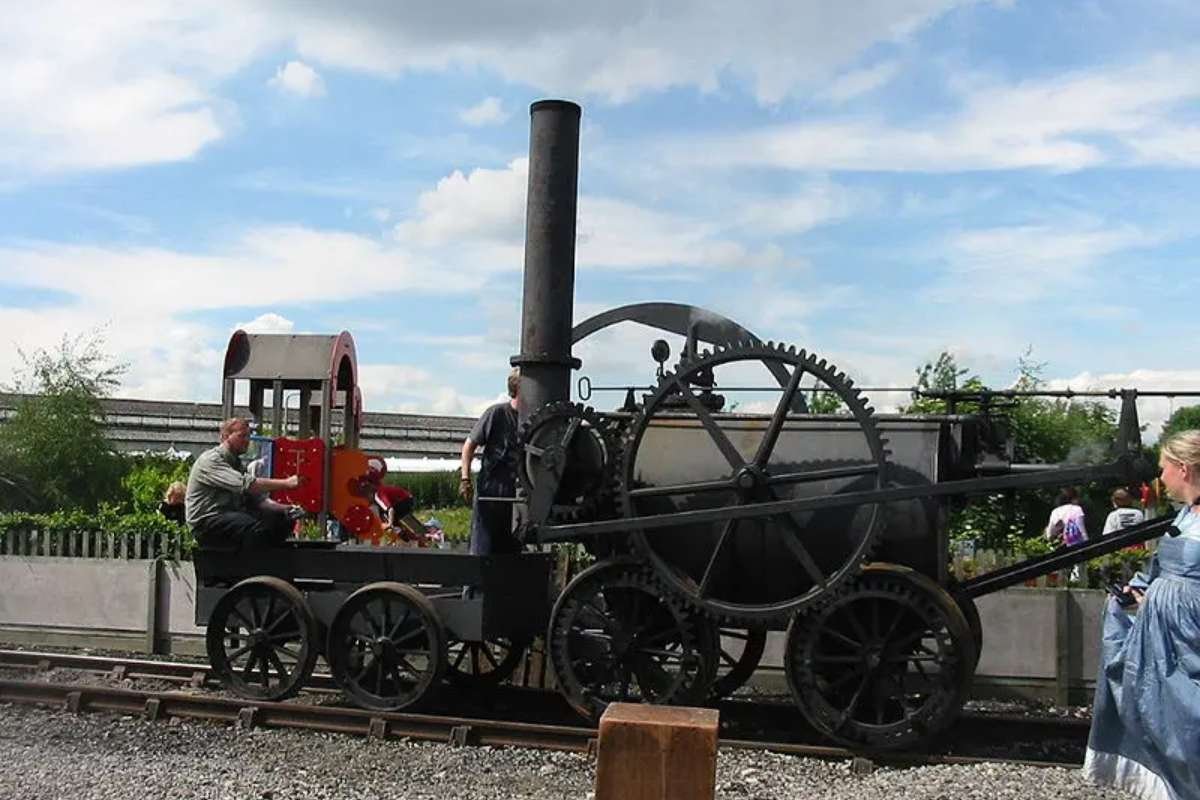
Richard Trevithick was an inventor from England who believed steam engines could be smaller and stronger. In 1801, he built a steam carriage designed to carry people on normal roads. Unlike earlier machines, his vehicle showed that steam power could be used for everyday travel, not just heavy work.
Trevithick’s carriage carried passengers and moved through towns. People gathered to watch it because they had never seen anything like it before. His design proved an important point. Steam vehicles could transport humans safely. This idea pushed other inventors to keep improving steam-powered travel.
1867 – Sylvester Roper
Sylvester Roper was an American inventor with a deep interest in engines. In 1867, he created a steam-powered road vehicle that looked much closer to what we now call a car. His design was smaller, more balanced, and easier to control than earlier steam machines.
Roper used a compact boiler, which made the vehicle lighter and more practical. He even tested steam-powered motorcycles. His work helped bring steam vehicles closer to real-world use. Many later designs borrowed ideas from Roper’s approach.
1899 – Stanley Brothers
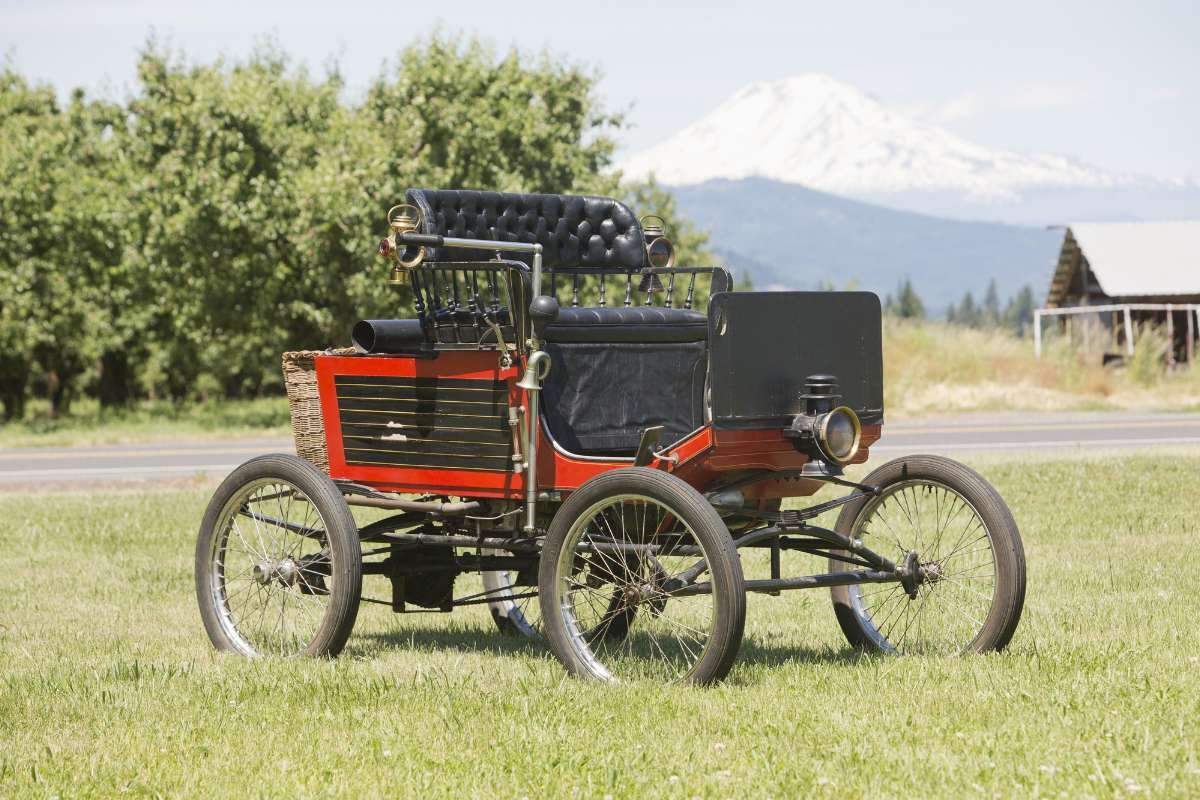
The Stanley brothers, Francis and Freelan Stanley, built the most famous steam car in history. Their vehicle, known as the Stanley Steamer, became popular in the early 1900s. It ran quietly, did not vibrate much, and felt smooth on the road.
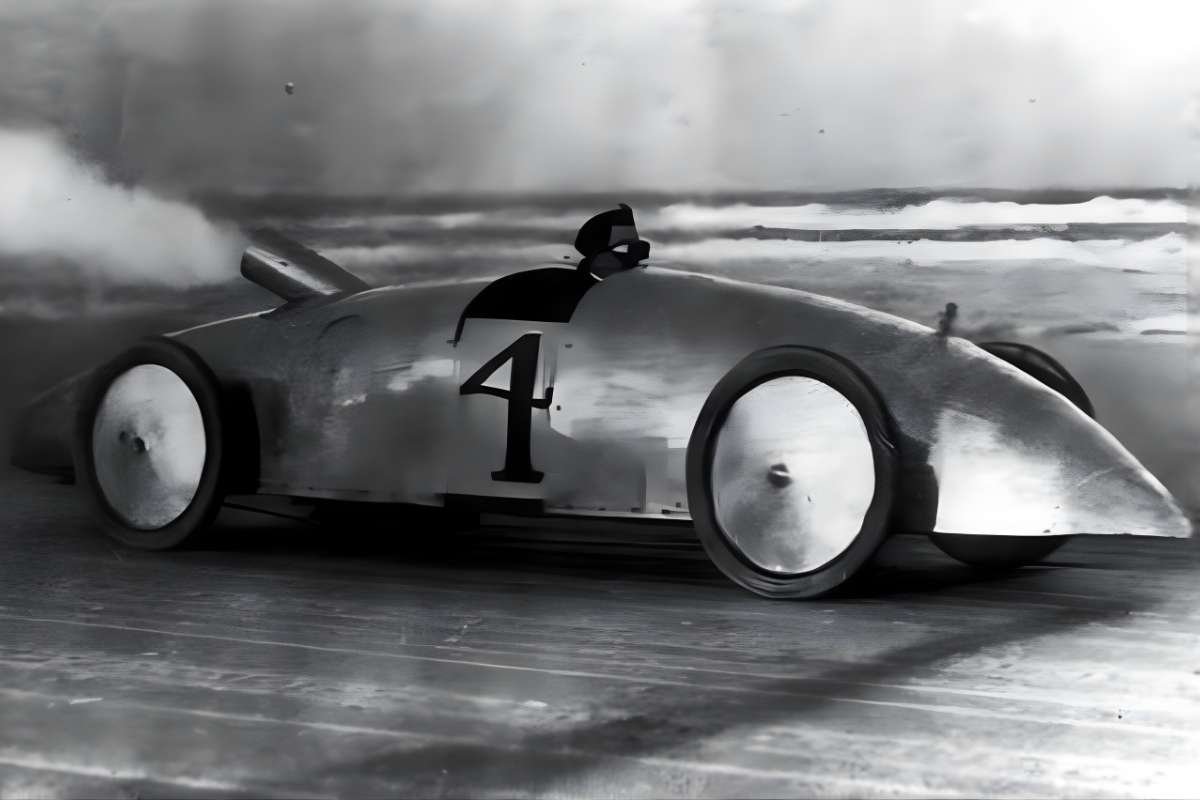
In 1906, a Stanley Steamer broke the world speed record by reaching over 120 miles per hour. Owners loved how simple the engine felt once it started. The Stanley Steamer proved that steam cars could be powerful, fast, and comfortable.
1915 – Decline Begins
By 1915, petrol-powered cars began to take over. They cost less to produce and were easier to use. Drivers could start petrol cars quickly, while steam cars needed time to heat water and build pressure.
As fuel stations spread and engines improved, steam cars slowly disappeared from public roads. Most companies stopped making them, even though steam technology still worked well.
Modern Era
Steam-powered cars no longer compete with modern vehicles. Most are kept in museums, private collections, and exhibitions. Engineers and historians still study them for lessons in efficiency and clean energy ideas.
The History of Steam-Powered Cars remains important because it shows how early creativity shaped modern transport. These machines remind us that every great invention starts with simple experiments and brave thinking.
Don’t miss:
- How the History of the Automobile Shaped Modern Transportation?
- Most Expensive Car Brands with Price Tags That’ll Blow Your Mind
Why Steam Cars Lost the Race?
Steam cars did not fail because they were bad machines. They lost because they asked too much from the driver. A steam car needed patience, care, and attention before it could move.
First, the driver had to heat water. This took time. Some steam cars needed 10 to 30 minutes before they could start. People in a hurry did not like waiting. Petrol cars started almost at once. Turn a key. Press a pedal. Drive away.
Second, steam cars needed constant watching. The driver had to control pressure. Too little pressure stopped the car. Too much pressure caused danger. The driver also had to check water levels and heat strength. This felt stressful for everyday users. Petrol cars felt simpler and safer.
Third, petrol cars became cheaper very fast. Mass production helped a lot. Companies like Ford made cars that many people could afford. Steam cars cost more to build and maintain. Repairs also needed special skills.
Fuel access played a big role, too. Petrol stations spread quickly across cities and highways. Water and fuel for steam cars were harder to manage during long trips. Convenience always wins.
Still, steam cars had strong advantages. They ran quietly. They moved smoothly. They did not shake like early petrol engines. Many steam cars also produced less smoke and a less foul smell. In many ways, they felt more refined.
Today, engineers respect steam cars for their smart design. These machines proved that clean and smooth transport was possible long ago. Steam cars did not lose because they lacked power. They lost because the world wanted speed, ease, and comfort more than patience.
Facts
- The Stanley Steamer reached 127 mph in 1906.
- The first steam vehicle was built in 1769.
- Steam cars outsold petrol cars in the US during 1900.
These facts support the History of Steam-Powered Cars with verified records.
Conclusion
The journey began with boiling water and bold dreams. The History of Steam-Powered Cars reminds us that progress never follows a straight road. Early inventors failed loudly, tried again, and moved the world inch by inch.
Today’s cars owe a quiet thank-you to those steaming giants. They prove one powerful lesson. Even outdated ideas can shape the future. Progress always starts with someone daring to try.