The economy is a tired runner. Bills pile up. Jobs slow down. Confidence drops. The runner gasps for air. Now imagine the coach shouting, “You’ve got this!” and handing over a fresh bottle of energy. That bottle is Quantitative Easing.
This tool does not wear a cape, but it shows up during chaos. It arrives when interest rates hit the floor, and normal fixes stop working. Central banks then take a bold step to keep money moving and fear under control.
This topic sounds heavy. It really is not. You deal with its effects every day, loan rates, stock prices, job growth, and even how confident people feel about spending. So let’s break it down in plain words, with no noise, no jargon, and no stress.
What Is Quantitative Easing in Simple Words?
At its core, Quantitative Easing means a central bank creates money and uses it to buy government bonds and other safe assets from banks and financial institutions.
When banks sell these assets, they receive cash. That extra cash makes it easier for banks to lend money to businesses and people. More loans mean more spending. More spending keeps the economy alive.
This tool comes into play when interest rates already sit near zero. At that point, cutting rates further stops helping. Central banks then turn to this method to push money into the system directly.
Quantitative Easing in 2026
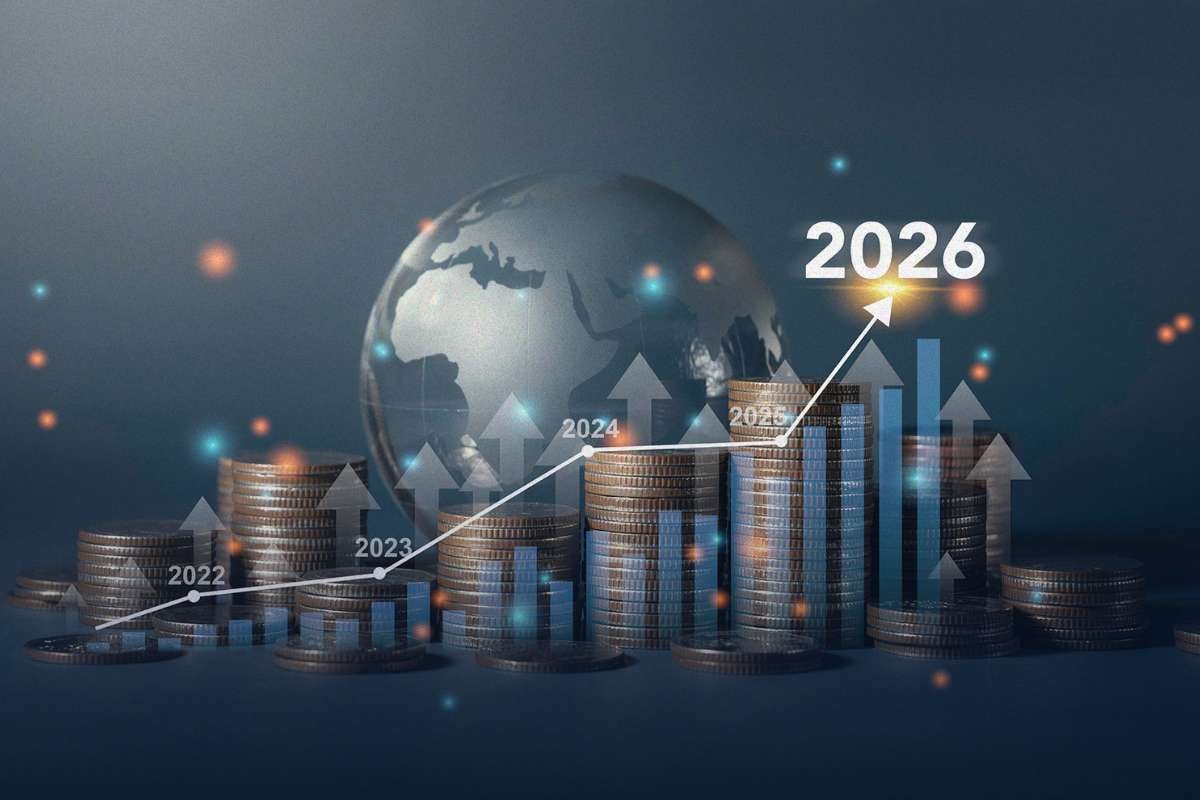
In 2026, Quantitative Easing still matters, but central banks handle it with more caution than before. The world learned tough lessons after the pandemic years. Too much money too fast can fuel inflation. Too little support can slow recovery.
Today, policymakers focus on balance. They watch inflation closely. They track job data. They also study consumer confidence before adding more liquidity. This approach keeps growth steady without overheating the system.
Another shift in 2026 involves transparency. Central banks now explain their moves better. Clear communication reduces panic and prevents sudden market shocks. Trust has become as important as the money supply.
Read More:
- Top 20 Largest Banks in the World (2025): Ranked by Market Capitalization
- Singapore’s Central Bank Maintains Policy Amid Easing Inflation
Why Governments Use This Tool?
Governments turn to Quantitative Easing when the economy feels stuck. People stop spending. Businesses stop hiring. Banks hesitate to lend. Fear spreads faster than confidence. At that point, normal solutions stop working.
This tool helps restart movement in the system. It works for three main reasons.
1. It Lowers Long-Term Interest Rates
When a central bank buys government bonds, demand for those bonds rises. As demand goes up, yields come down. Lower yields mean lower long-term interest rates.
This matters because long-term rates affect big decisions. Home loans become cheaper. Business loans cost less. Governments also borrow at lower rates. All of this reduces financial pressure and encourages action.
In simple words, borrowing feels less scary when interest rates stay low.
2. It Supports Lending and Investment
Banks need cash to lend. When central banks inject money into the system, banks suddenly have more room to operate. They feel confident enough to give loans to businesses and individuals.
Businesses then invest in equipment, technology, and people. Individuals buy homes, cars, or start small ventures. Money starts circulating instead of sitting idle.
This flow keeps jobs alive and incomes stable.
3. It Stabilizes Financial Markets During Stress
Markets hate uncertainty. During crises, investors panic. Stock prices fall. Credit markets tighten. Even strong companies struggle to raise funds.
This policy acts like a safety net. It tells markets that support is available. That message alone calms nerves. Prices stabilize. Confidence slowly returns.
When people believe the system will not collapse, they stop rushing for the exit.
Why It Works During Crises?

Fear freezes spending. People save more and spend less. Businesses delay decisions. That freeze worsens the slowdown.
This policy breaks that freeze. It sends a clear signal: help will stay in place until recovery feels real. That promise matters as much as the money itself.
Benefits and Risks You Should Know
Think of this policy like strong medicine. The right dose heals. Too much creates side effects. Central banks aim for balance, not extremes.
Benefits
- Cheaper Loans for Homes and Businesses: Lower interest rates reduce monthly payments. Families can afford homes more easily. Businesses expand without heavy debt pressure. This supports long-term growth.
- Higher Market Confidence: When investors see steady support, panic fades. Markets stop swinging wildly. Stability helps people plan instead of react emotionally.
- Faster Recovery After Downturns: More spending leads to more production. More production creates jobs. Jobs rebuild confidence. This chain reaction speeds up recovery.
Risks
- Rising Inflation If Overused: Too much money chasing limited goods pushes prices up. Daily essentials become expensive. Inflation hurts purchasing power.
- Asset Bubbles in Stocks or Real Estate: Easy money sometimes flows into markets instead of real businesses. Prices rise faster than value. When bubbles burst, damage spreads quickly.
- Reduced Value of Savings Over Time: Low interest rates mean savings earn less. Inflation further reduces value. Savers feel punished while borrowers benefit.
How Central Banks Manage These Risks?

Central banks monitor data closely. They track inflation, employment, and growth trends. They adjust policies gradually. Timing matters more than speed.
They know that pulling support too early hurts recovery. Keeping it too long fuels instability. The goal stays simple: support growth without losing control.
Facts:
- The US Federal Reserve expanded its balance sheet from under $4 trillion in 2019 to over $9 trillion by 2022.
- The Bank of Japan has used asset-buying programs since the early 2000s.
- The European Central Bank confirmed bond purchases helped stabilize eurozone markets.
Real-Life Impact on You
You may not track bond yields, but you feel the results. Quantitative Easing affects home loan rates, business hiring, and stock market confidence. When money flows smoothly, daily life feels lighter. When it tightens, caution rises.
This policy does not guarantee happiness. It simply creates space for recovery. What people do with that space decides the outcome.
Conclusion
Remember the tired runner from the start? Quantitative Easing does not run the race for the economy. It hands over water, clears the track, and cheers loudly from the side.
In 2026, this tool remains powerful, but wiser hands guide it now. Used carefully, it supports growth without chaos. Used blindly, it invites trouble.
The real win comes from balance, support when needed, and restraint when stability returns. And that balance shapes how strong the global economy will be in the years ahead.