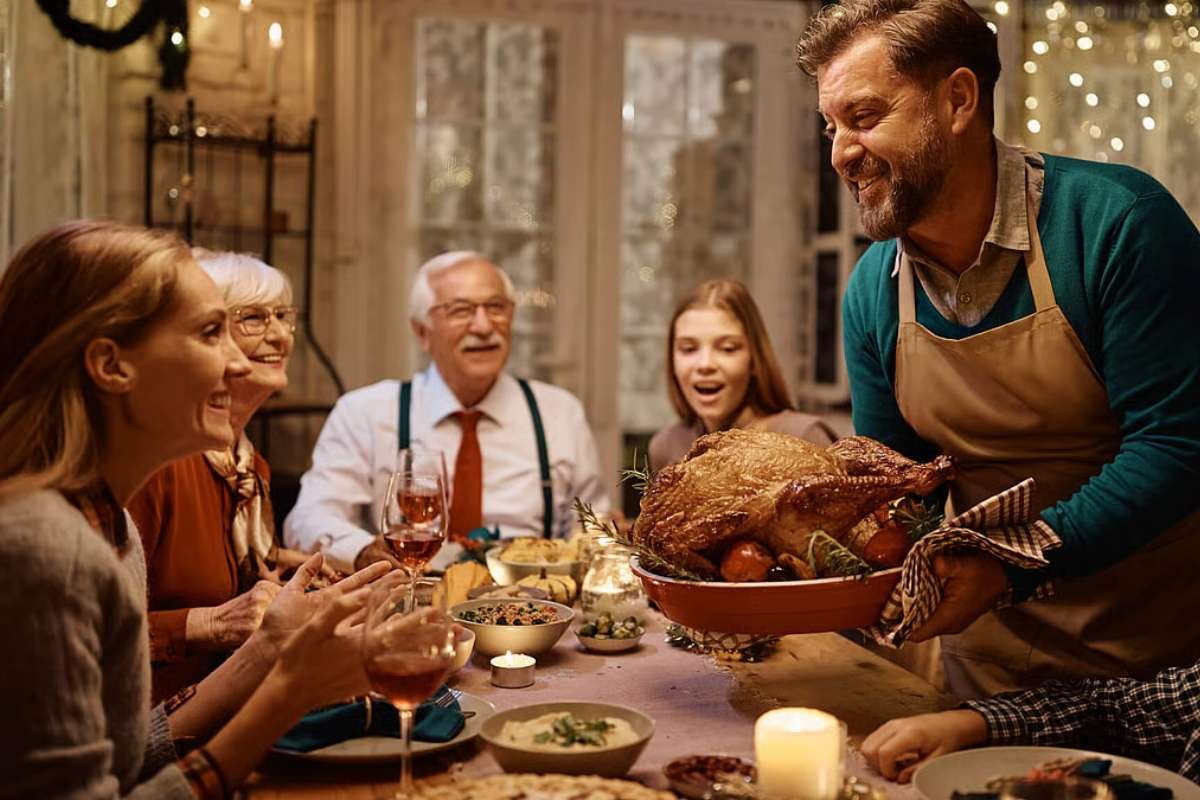
Thanksgiving is one of those holidays everyone recognizes, yet few truly know the stories behind it. Most of us think of turkey, parades, and family gatherings, but the holiday holds far more surprising details than what ends up on the dinner table.
For example, Americans eat 46 million turkeys on Thanksgiving, more than 55 million people travel during the holiday weekend, and the Macy’s Parade attracts over 3.5 million visitors each year. These numbers show just how big and how the celebration has become.
Historian David McCullough once said, “History is who we are and why we are the way we are.” That’s exactly why exploring fun facts about Thanksgiving is so interesting. When you look beyond the familiar rituals, you find stories of unexpected traditions, funny coincidences, and historical moments that shaped the holiday into what it is today.
From a three-day feast to record-breaking turkeys, unusual parade beginnings, and even the invention of the TV dinner, Thanksgiving is full of facts that can spark conversations and add a new layer of appreciation. These interesting facts about Thanksgiving are simple, fun to share, and give you a fresh perspective on a holiday we celebrate every year.
Short History of Thanksgiving
The roots of Thanksgiving stretch back to a moment of resilience and cooperation. In 1621, after a brutal winter and a challenging first year in the New World, the Pilgrims and the Wampanoag people gathered for a harvest feast that lasted three full days. It wasn’t called “Thanksgiving” then, but it marked a rare moment of unity that quietly shaped one of America’s most enduring traditions.
For more than two centuries afterward, Thanksgiving observances were scattered across colonies and states. Each region celebrated on different days and for different reasons good harvests, military victories, or moments of collective gratitude. But the idea of one national holiday didn’t exist yet.
That changed thanks to writer Sarah Josepha Hale, who spent nearly 30 years campaigning through letters, articles, and editorials to establish a unified Thanksgiving. Her efforts finally paid off when President Abraham Lincoln, seeking national healing during the Civil War, proclaimed Thanksgiving a national holiday in 1863.
Since then, Thanksgiving has evolved from harvest gratitude to a holiday filled with iconic traditions like turkey dinners, parades, and football. This timeline captures the journey:
Thanksgiving Timeline
| Year | Event |
| 1621 | Pilgrims and Wampanoag share a three-day harvest feast in Plymouth. |
| 1815–1860s | States celebrate Thanksgiving on different dates; no national consistency. |
| 1827 | Sarah Josepha Hale begins her decades-long campaign to make Thanksgiving a national holiday. |
| 1863 | President Abraham Lincoln officially proclaimed Thanksgiving a national holiday. |
| 1939 | President Franklin D. Roosevelt moved Thanksgiving up a week to boost holiday shopping, sparking the “Franksgiving” debate. |
| 1941 | U.S. Congress sets the permanent date: the fourth Thursday of November. |
| 2025 | Thanksgiving becomes one of America’s biggest cultural celebrations, marked by parades, football, family reunions, and millions of shared meals. |
This rich timeline sets the stage perfectly for the interesting facts about Thanksgiving that show just how quirky, surprising, and meaningful the holiday really is.
15 Fun Facts About Thanksgiving are Mentioned Below:
With the history in place, it’s time to explore the surprising, quirky, and memorable details that make this holiday so unique. These interesting facts about Thanksgiving go beyond the usual turkey-and-parade stories and reveal the hidden twists, record-breaking moments, and unexpected origins behind America’s favorite day of gratitude. Each fact is simple, interesting, and perfect for sharing at the dinner table, in the classroom, or on social media.
Below are 15 fun, engaging, and easy-to-understand facts that highlight just how fascinating Thanksgiving really is:
1. The first Thanksgiving feast lasted three days.
The famous 1621 gathering wasn’t a simple sit-down meal; it was a three-day festival filled with food, celebration, and community activities. The Wampanoag arrived with around 90 men, far outnumbering the 50 surviving Pilgrims. Together, they shared venison, wildfowl, corn, and seasonal harvests. The days likely included target shooting, athletic contests, and diplomacy, making the event more of a cultural exchange than a traditional dinner.
2. Turkey wasn’t the main dish in 1621.
While turkey dominates modern tables, early accounts suggest it wasn’t the centerpiece at the first feast. Pilgrims hunted wildfowl like ducks and geese, and the Wampanoag contributed venison, eel, and freshly harvested corn. Seafood also played a major role since Plymouth was by the coast. This means the original Thanksgiving would feel closer to a New England seafood banquet than today’s turkey-and-stuffing spread.
3. A writer helped make Thanksgiving a national holiday.
One of the most meaningful fun facts about Thanksgiving is tied to Sarah Josepha Hale, an editor known for shaping 19th-century American culture. For nearly 36 years, she wrote persuasive letters to presidents, governors, and public figures, arguing that a national Thanksgiving would unify families and strengthen national identity. Her editorials appeared in major publications, and her influence eventually convinced Abraham Lincoln to declare it a national holiday during the Civil War.
4. Abraham Lincoln officially declared Thanksgiving a national holiday.
In 1863, amid the Civil War’s turmoil, Lincoln issued a proclamation designating the last Thursday of November as a national day of gratitude. He hoped that pausing to give thanks even in hardship would help the country heal. His proclamation set the emotional tone for Thanksgiving, emphasizing reflection, unity, and resilience.
5. “Franksgiving” caused national chaos in 1939.
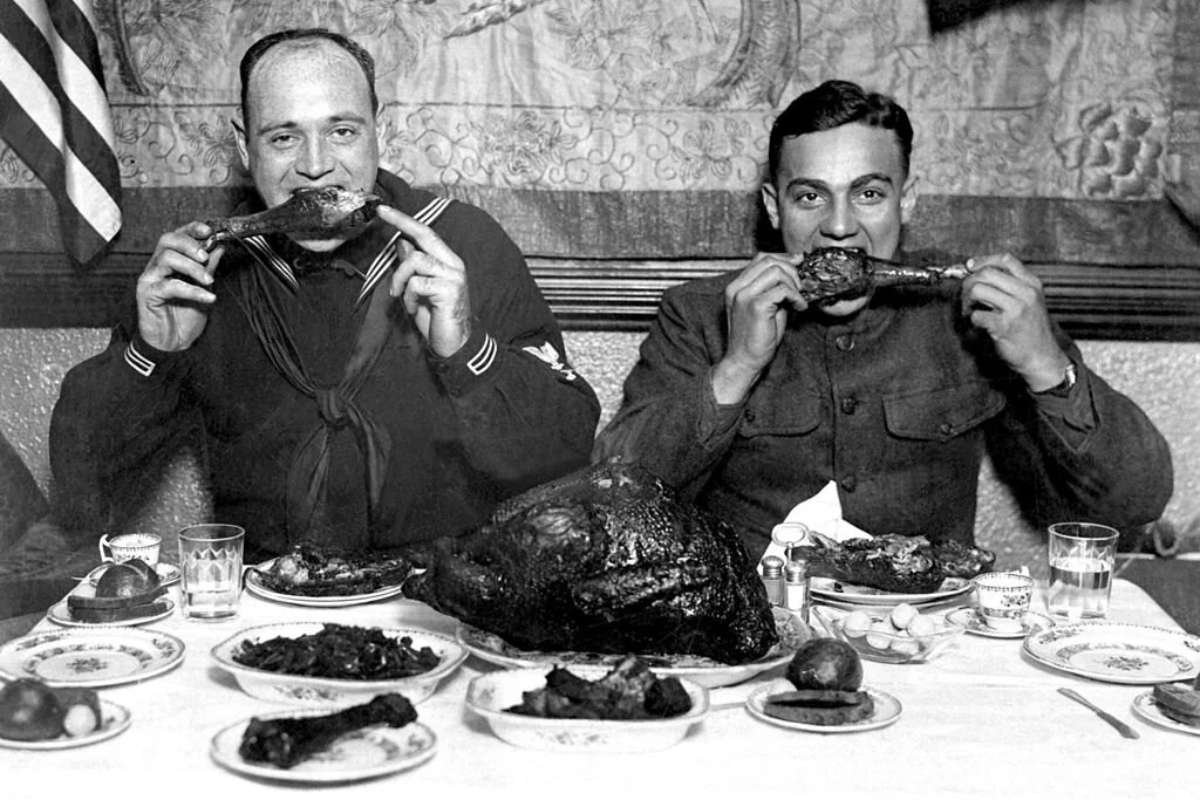
To boost retail sales during the Great Depression, President Roosevelt moved Thanksgiving one week earlier to extend the shopping season. But the nation split in response: some states followed the new schedule, others stuck to the traditional date, and a few celebrated on both days. Businesses were confused, schools couldn’t schedule exams, and families didn’t know when to gather. The uproar led Congress to formally fix Thanksgiving on the fourth Thursday of November in 1941.
6. The first Macy’s Parade used live animals, not balloons.
Among the most surprising fun facts about Thanksgiving is that the 1924 Macy’s Parade didn’t feature balloons at all. Instead, Macy’s borrowed exotic animals, camels, elephants, lions, and bears from the Central Park Zoo. These live creatures marched alongside costumed employees as the parade wound through NYC streets. Giant balloons arrived in 1928. The first licensed character balloons were the Katzenjammer Kids. Felix came later in 1934 when Disney was involved.
7. The world’s heaviest turkey weighed more than 86 pounds.
This massive bird, raised in the United Kingdom, tipped the scales at 86 pounds, roughly the weight of a middle-school child. Show birds bred for size are fed special high-protein diets, but experts note that turkeys this large aren’t ideal for cooking; the meat becomes dense, tough, and nearly impossible to roast evenly.

8. Thanksgiving is the busiest travel day in the U.S.
Over 55 million Americans travel for Thanksgiving, making it the single most congested travel week in the country. Airports see record crowds, highways back up for miles, and some cities report travel volumes nearly twice as high as average days. Despite the stress, the surge reflects how deeply the holiday is tied to family reunions.
9. The Butterball Turkey Hotline receives more than 100,000 calls annually.
A charming highlight among practical fun facts about Thanksgiving, Butterball’s hotline has become a beloved holiday resource since 1981. Staffed by cooking experts and food scientists, the hotline guides families through emergencies, frozen-solid turkeys, missing giblets, wrong oven temperatures, and last-minute timing disasters. They now support calls, chats, emails, and even TikTok tutorials to help modern cooks.
10. Thanksgiving football traditions began in 1876.
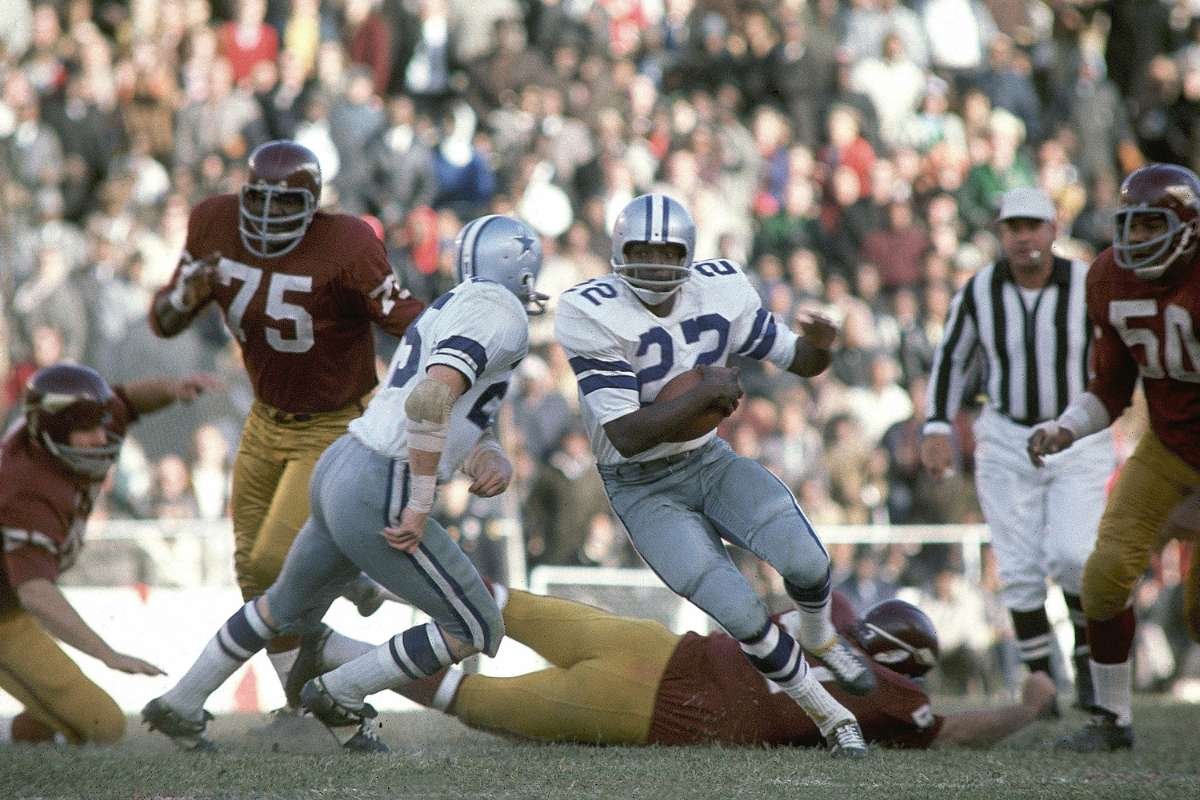
The very first Thanksgiving football game between Yale and Princeton kick-started a national tradition. Throughout the 20th century, high schools, colleges, and eventually the NFL embraced Thanksgiving matchups. Today, holiday games draw tens of millions of viewers, becoming a central part of American Thanksgiving entertainment.
11. The TV dinner was invented because of leftover Thanksgiving turkey.
In the early 1950s, Swanson ended up with 260 tons of frozen turkey that went unsold after Thanksgiving. To avoid wasting it, a salesman suggested packaging the turkey with sides in a three-compartment tray inspired by airplane meals. The “TV dinner” craze exploded almost instantly, changing American convenience food forever.
12. Americans eat about 46 million turkeys on Thanksgiving.
Perhaps one of the most striking fun facts about Thanksgiving is the sheer volume of turkey consumed. Roughly 46 million birds are eaten more than the population of Spain in just one day. Turkey became the star because it was affordable, large enough to feed families, and widely farmed, making it the ideal centerpiece for a holiday feast.
13. Presidential turkey pardoning became official in 1989.
Though some presidents informally spared turkeys earlier, the formal White House ceremony didn’t become an established, widely-publicized annual tradition until George H. W. Bush in 1989.
14. Cranberries were once used as a natural dye.
Native American tribes used cranberries to dye clothing, decorate pottery, and create medicinal pastes. Their bright red color made them perfect for natural pigments, especially before synthetic dyes existed. Sweetened cranberry sauce only became practical in the 1800s when sugar became easier to obtain.
15. Several towns in the U.S. have Thanksgiving-themed names.

Ending with one of the more charming and interesting facts about Thanksgiving, towns like Turkey (Texas), Cranberry Township (Pennsylvania), Pumpkin Center (North Carolina), and Pilgrim (Michigan) embrace their festive names with holiday parades, themed events, and community turkey trots. Some towns even use their names to promote tourism during the Thanksgiving season.

Why These Facts about Thanksgiving Matter?
1. They correct common misconceptions about the holiday’s origins.
Many fun facts about Thanksgiving highlight what really happened in 1621, like the three-day feast, the foods actually served, and the essential role of the Wampanoag, giving a clearer, more accurate understanding of the holiday.
2. They show how our national traditions were shaped over time.
Details such as Sarah Josepha Hale’s 36-year campaign and Lincoln’s Civil War–era proclamation explain how Thanksgiving became a unifying national holiday, not just a regional celebration.
3. They reveal how the holiday continues to evolve.
Some of the most interesting fun facts about Thanksgiving, from “Franksgiving” to the invention of the TV dinner, show how economic needs, cultural trends, and innovation influenced today’s traditions.
4. They add deeper meaning to familiar customs.
When people learn the stories behind parades, turkey dinners, and presidential turkey pardons, these interesting facts about Thanksgiving help transform routine traditions into moments with historical and emotional significance.
5. They spark engaging conversations and curiosity.
Sharing unique fun facts about Thanksgiving at family gatherings or in classrooms encourages storytelling, builds connection, and brings a fresh perspective to a holiday everyone thinks they already know.
Conclusion:
Thanksgiving is a holiday built on traditions, stories, and shared moments, yet many people celebrate it without knowing the fascinating details behind it. Exploring these interesting facts about Thanksgiving opens the door to a deeper understanding of how the holiday began, how it has changed over time, and why it continues to hold such a special place in American culture.
From three-day feasts and unexpected parade beginnings to record-breaking turkeys and unusual presidential traditions, each fact adds a new layer of meaning to a celebration we often take for granted. These insights remind us that Thanksgiving isn’t just about food or rituals, it’s about history, gratitude, and the connections we build with the people around us.
As you gather with family, friends, or students, sharing these fun facts about Thanksgiving can turn ordinary moments into memorable conversations. Whether through trivia, storytelling, or simple curiosity, they bring fresh perspectives to a familiar holiday and help everyone appreciate the richness behind it.
Top 5 FAQs About Thanksgiving
1. Why do we celebrate Thanksgiving?
Thanksgiving is celebrated to honor the 1621 harvest feast shared between the Pilgrims and the Wampanoag people. Many fun facts about Thanksgiving come from this early gathering, which later evolved into a national tradition centered on gratitude and togetherness.
2. Why do Americans eat so much turkey on Thanksgiving?
Turkey became the main dish because it was large, affordable, and widely available. Today, Americans consume about 46 million turkeys every Thanksgiving, making it the biggest turkey-eating day of the year.
3. What foods were actually eaten at the first Thanksgiving?
Historical records mention venison, duck, geese, fish, corn, and seasonal vegetables. Popular modern dishes like mashed potatoes and pumpkin pie weren’t part of the 1621 menu, which makes this one of the most surprising fun facts about Thanksgiving people discover today.
4. When did Thanksgiving become a national holiday?
President Abraham Lincoln declared Thanksgiving a national holiday in 1863, following decades of campaigning by writer Sarah Josepha Hale, who believed the celebration could strengthen national unity.
5. What is the meaning behind the presidential turkey pardon?
The turkey pardon is a fun tradition where the President “spares” a turkey instead of having it cooked. It became official in 1989 under George H. W. Bush and continues as one of the holiday’s most lighthearted customs.