Think of the internet as a busy city. Every website, app, and video is a vehicle trying to reach you. Now imagine all of them forced to take long highways with traffic jams and toll booths.
Sounds painful, right?
That is exactly what happens when networks do not connect smartly.
This is where an Internet Exchange Point steps in like a friendly traffic cop who waves everyone through the shortest road. It keeps the internet quick, calm, and cost-friendly. No drama. No delays. Just smooth data movement.
Behind every fast video call, instant page load, and buffer-free movie night, this quiet system works nonstop. You may never see it, but your online life depends on it.
What Is an Internet Exchange Point and Its Types?

An Internet Exchange Point (IXP) is a physical place where different networks connect and share internet traffic directly. Instead of sending data through faraway routes, networks exchange data at one local meeting point.
This direct sharing saves time, money, and bandwidth.
Main Types
- Public IXP: Many networks connect at one shared location. It works like a public roundabout where everyone follows clear rules.
- Private IXP: Two networks connect directly for large or sensitive traffic. This setup suits companies that need high control.
- Regional IXP: These serve a city or country. They help keep local internet traffic local.
- Global IXP: Large exchange points that connect networks from many countries.
Each type supports faster communication and better internet health.
Who Connects to an IXP?
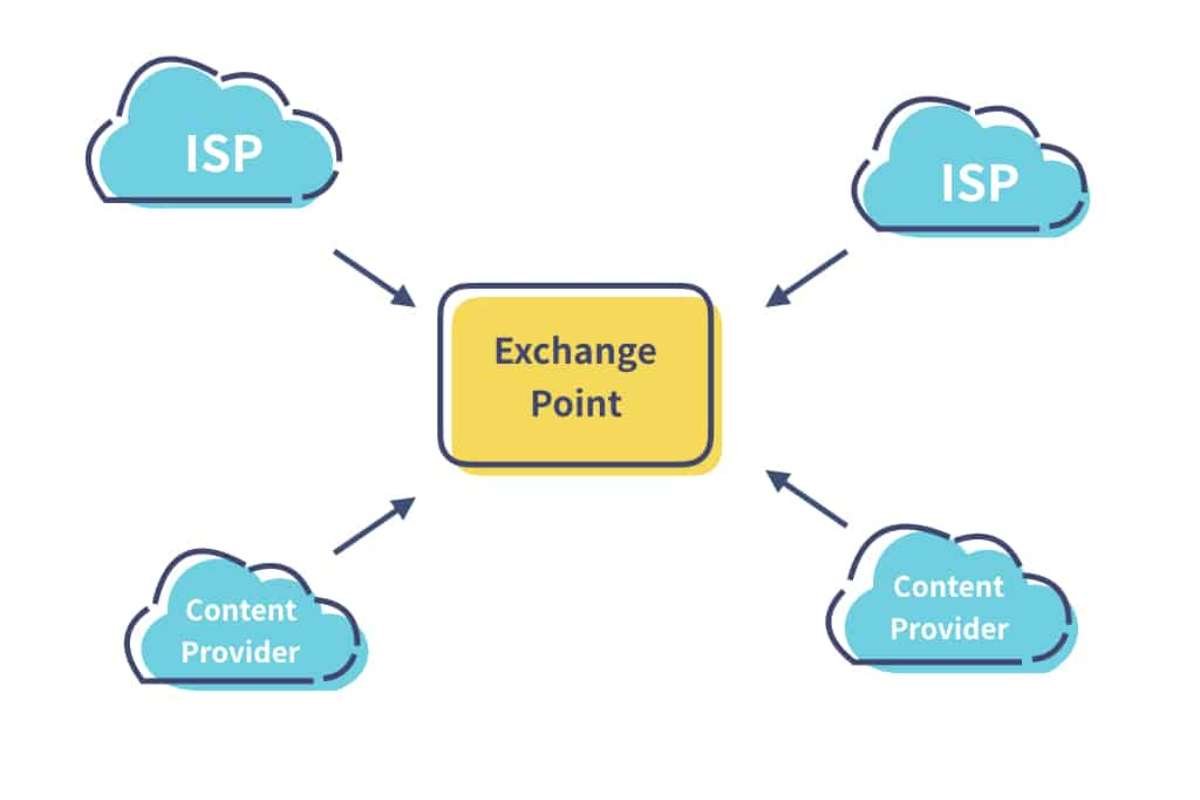
An Internet Exchange Point acts like a shared meeting place where different networks come together to exchange data directly. Many groups connect to it because they all want faster speed, lower delay, and better control over how their data moves.
Let’s break down who these groups are and why they connect.
1. Internet Service Providers
Internet Service Providers are the companies that bring internet access to homes, offices, schools, and shops. Their main goal is to deliver fast and stable connections to users.
When they connect to an exchange point, they can send and receive data directly from other networks nearby. This short route helps them reduce lag, avoid congestion, and improve browsing speed. It also lowers their operating costs, which supports better service quality for users.
Simply put, this connection helps your internet feel quicker and more reliable.
2. Content Companies
Content companies include video streaming platforms, news websites, gaming services, and social media sites. These platforms send huge amounts of data every second.
By connecting to an exchange point, they place their content closer to users. This means videos start faster, images load instantly, and apps respond without delay. Users enjoy smoother experiences, while companies save money on long-distance data transfer.
This direct access keeps popular content just one short step away from the audience.
3. Cloud Providers
Cloud providers run data centers that store files, host websites, and support online tools. They need fast and steady connections to move data between services and regions.
When cloud providers connect to an exchange point, they can share data directly with internet providers and content platforms. This improves response time, reduces outages, and supports real-time services like video calls, online work tools, and backups.
This setup helps cloud services stay quick and dependable, even during heavy usage.
4. Educational and Research Networks
Universities, research labs, and academic institutions exchange large data files every day. These may include research results, learning platforms, and collaborative projects.
Connecting to an exchange point allows these networks to share data securely and efficiently. It supports online classes, research collaboration, and access to global knowledge resources without delay.
This direct connection helps education and research run smoothly and without disruption.
When these groups meet at an Internet Exchange Point, everyone benefits from faster data flow and fewer delays.
How Does an Internet Exchange Point Work?
An IXP works through shared network switches. Each network plugs into this shared system.
When one network wants to send data to another, the exchange switch passes it directly. No middleman. No extra travel.
This process uses routing rules so traffic reaches the correct destination safely and quickly.
The result is lower delay, higher speed, and better reliability.
Why Internet Exchange Points Are Important?
Without an IXP, internet traffic would travel longer paths. That means slow speeds and higher costs.
1. IXPs reduce:
- Data travel distance
- Network congestion
- Dependency on expensive transit providers
2. They improve:
- Page load speed
- Video quality
- Online reliability during peak hours
They also support local businesses by keeping regional traffic inside the country.
How Do Providers Share Traffic Across Different Networks?
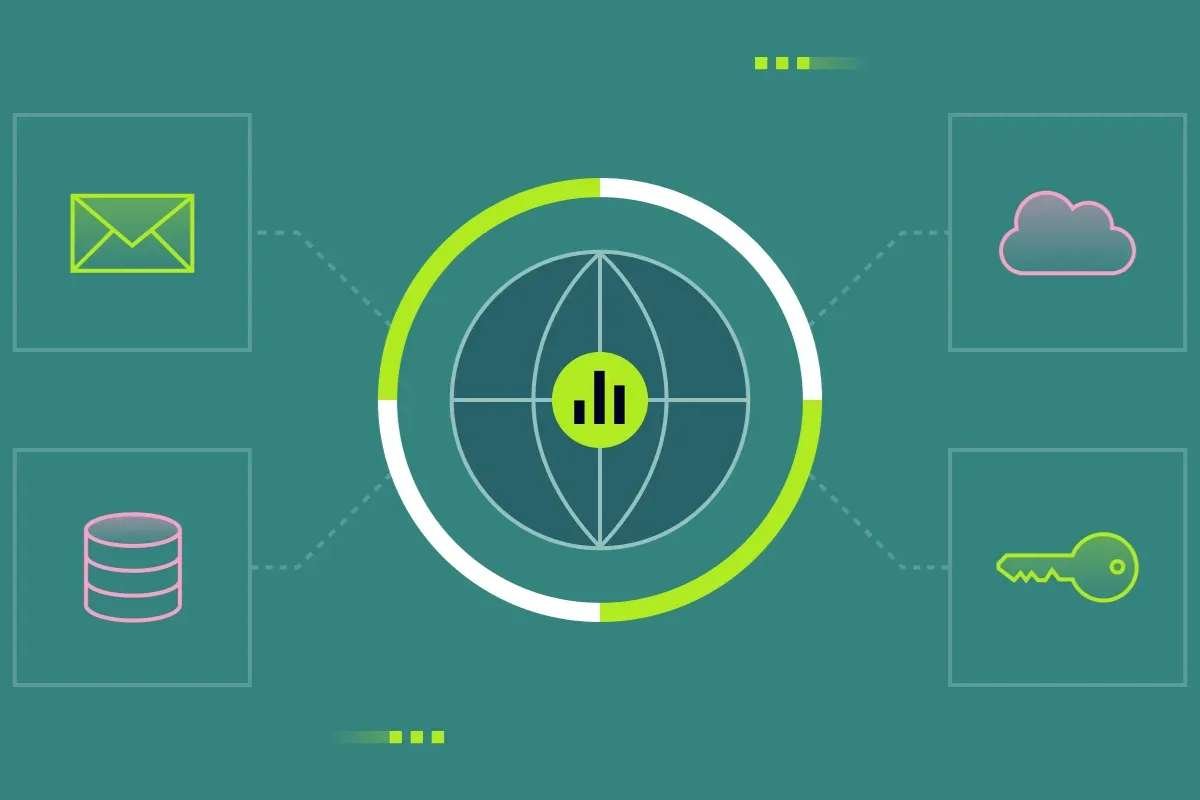
Providers share traffic through a method called peering. Peering means two networks agree to exchange data directly.
At an Internet Exchange Point, peering becomes easy and cost-effective.
There are two common methods:
- Open peering, where networks share traffic freely
- Selective peering, where networks choose partners
Both methods improve speed and reduce operational costs.
IXP Protocol and Agreements
Data sharing at an Internet Exchange Point does not happen randomly. Every network follows a set of clear rules. These rules help data move safely, fairly, and without confusion. They also help networks trust each other.
Let’s break this down step by step.
BGP Protocol:
The Border Gateway Protocol, often called BGP, acts like a navigation system for the Internet.
Every network tells other networks:
- Which data paths can it handle
- Which destinations can it reach?
When data needs to travel, BGP decides the best route. It avoids broken paths and crowded routes. It also switches paths quickly if something fails.
Without BGP:
- Data could take the wrong path
- Websites could go offline.
- Internet traffic could get stuck.
Because of BGP, networks know where to send data and how to send it safely.
Peering Agreements:
Peering agreements are simple promises between networks.
They answer questions like:
- How much data can we exchange
- Is the traffic shared for free or paid
- What type of traffic is allowed
These agreements prevent misuse. They also stop one network from overloading another.
There are two common types:
- Open peering, where networks freely share traffic
- Selective peering, where networks choose partners carefully
Clear peering agreements reduce conflict and keep traffic flowing smoothly.
Operational Policies:
Operational policies are daily working rules for the exchange.
They focus on:
- Fair access for all members
- Strong security standards
- High system availability
These rules control:
- Equipment standards
- Maintenance schedules
- Emergency handling
Because of these policies, networks trust the exchange. They know the system stays stable even during heavy traffic or technical issues. Together, protocols and agreements keep the exchange reliable and safe.
IXP Models

Not all exchanges work the same way. Different regions choose different models based on goals, size, and funding needs. Let’s look at the main models.
A. Non-Profit Model
In this model, the exchange is owned and managed by its member networks.
The focus stays on:
- Better performance
- Lower costs
- Community benefit
Any extra money goes back into upgrades. No one aims to make profits. This model works well in regions that want affordable and neutral internet access.
B. For-Profit Model
Here, a company owns and runs the exchange.
The company:
- Invests heavily in infrastructure
- Expands quickly
- Offers premium services
This model suits large cities and global traffic hubs. The goal includes profit, but quality remains high due to competition.
C. Hybrid Model
The hybrid model mixes both approaches. It:
- Keeps community values
- Uses professional management
- Balances growth and fairness
This model offers flexibility. It works well for growing regions that want strong control with expert support.
Conclusion
Remember the traffic cop from the start? That image still fits.
An Internet Exchange Point keeps your digital life smooth without asking for applause. It shortens paths, saves money, and keeps the internet strong even during heavy use.
Every fast search, every clear video call, and every instant download carries its silent contribution. While users enjoy the speed, this system works quietly behind the scenes.
The internet feels simple because something very smart holds it together.
And now, you know exactly what that something is.