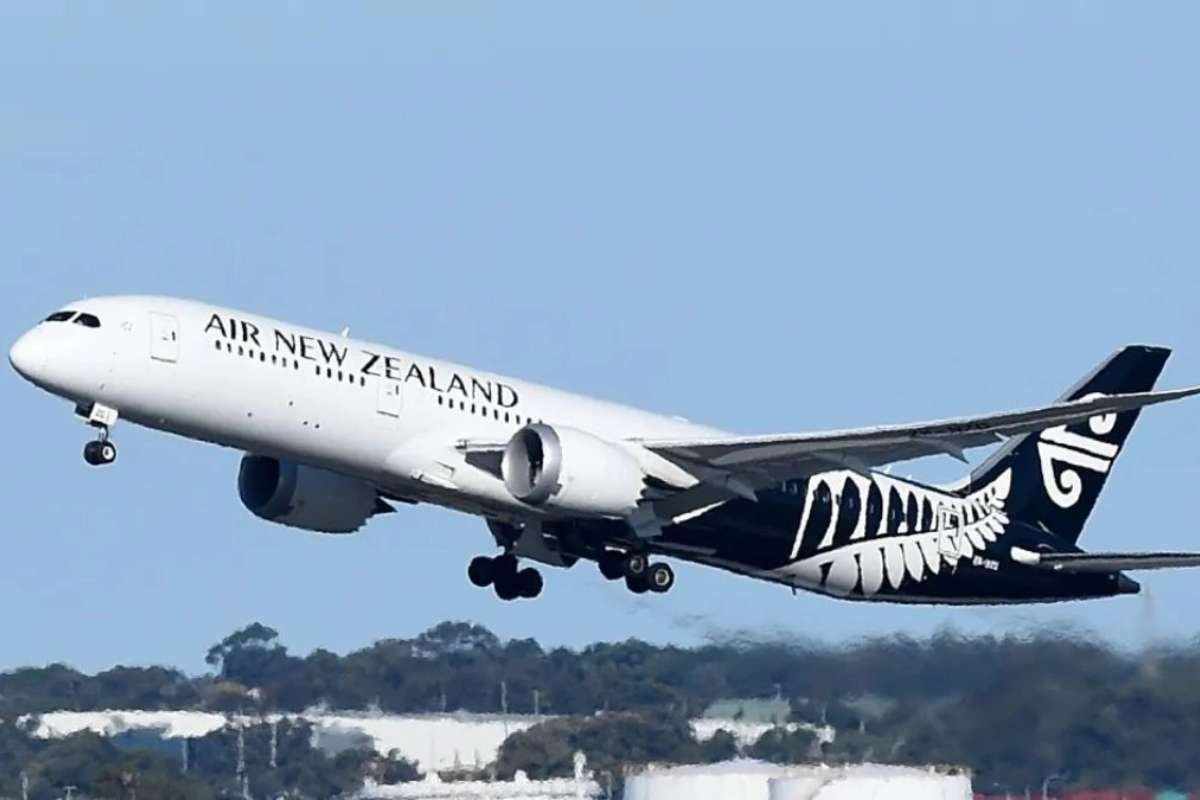
Air New Zealand has announced further reductions to its flight schedule along with ticket price increases as rising jet fuel costs place pressure on operating margins and route planning decisions. As Air New Zealand Cuts Flights Raises, the airline is adjusting both capacity and pricing to manage the ongoing cost surge.
Fuel Cost Surge Drives Schedule And Pricing Changes
The airline confirmed that adjustments will affect selected services in May and June. Around 4 percent of flights will be reduced while about 1 percent of total passengers may see changes to their travel plans. As Air New Zealand Cuts Flights Raises, these changes reflect a measured response aimed at balancing cost pressures while maintaining service continuity.
The rise in global jet fuel prices has been significant. On the Platts benchmark fuel costs have climbed to nearly 230 dollars per barrel. This marks a sharp increase from levels below 100 dollars seen earlier. Fuel remains one of the largest expenses for any airline so such a jump has a direct impact on profitability.
To manage these rising costs the airline has introduced fare increases across certain routes. Pricing adjustments are being used to offset higher operating expenses while maintaining overall network stability. The approach allows the airline to spread the impact across its customer base rather than relying only on capacity cuts.
At the same time the company has taken steps to limit disruption. The changes are focused on selected routes rather than broad network reductions. This helps ensure that key travel demand is still met during the affected months.
Limited Domestic Impact And Customer Adjustments
The airline stated that its domestic network has seen only minor adjustments. Maintaining connectivity across regions remains a priority especially for essential travel and regional access. By keeping domestic changes minimal the airline aims to support consistent travel within the country.
For affected passengers the airline has offered options such as refunds or travel credits. Customers whose revised flights no longer match their plans can choose alternatives without added complexity. This step is intended to maintain customer confidence during a period of operational adjustment.
The current situation highlights the sensitivity of airline operations to fuel price movements. Even moderate increases can influence scheduling pricing and capacity decisions. As Air New Zealand Cuts Flights Raises, airlines often need to respond quickly to such changes to protect margins and ensure financial stability.
In this case the airline has chosen a balanced approach. Instead of large cuts it has combined selective schedule changes with pricing adjustments. This allows it to continue serving most routes while adapting to cost pressures.
The broader aviation sector is also watching fuel trends closely. Sustained high prices can influence travel demand airline competition and route planning across regions. For now the focus remains on managing costs while keeping services running as smoothly as possible.
As fuel prices remain elevated airlines like Air New Zealand are expected to continue adjusting their strategies. The combination of targeted schedule reductions and fare changes reflects a practical response to a challenging cost environment. As Air New Zealand Cuts Flights Raises, it underscores how the industry is adapting while maintaining operational stability.