Key Points:
- Google AI glasses 2026
- Samsung & Warby Parker partnerships
- Android XR ecosystem integration
Google is moving forward with its plan to release new AI Glasses in 2026. The project marks a major step in its long-term vision for wearable technology. Business owners and entrepreneurs are watching closely because the launch could shape how teams work and interact with digital tools. The new devices aim to offer practical support for daily tasks and leadership decisions in fast-paced environments.
A Growing Push Into Smart Eyewear
Google has confirmed partnerships with Samsung, Gentle Monster and Warby Parker to guide the hardware development. These partnerships give Google stronger design resources and long-term manufacturing support. Warby Parker has already shared a 2026 release window in a regulatory filing. That filing reflects confidence in the product line and follows a major investment from Google earlier this year.
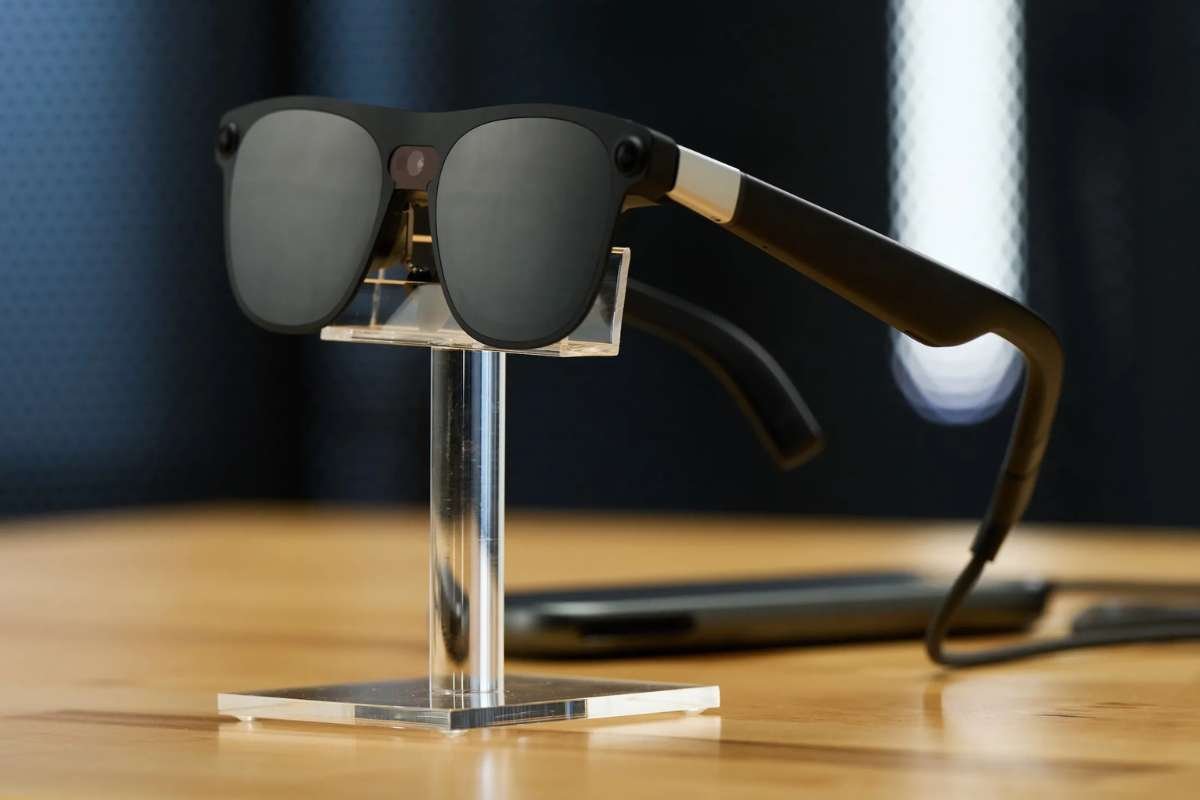
The company plans to release two main product types. Audio-only glasses will allow users to speak with the Gemini AI assistant without holding a device. This design focuses on simple tasks like quick answers, reminders and short voice interactions. The second type will offer an in-lens display that shows navigation prompts, translations, and helpful on-screen details. Google says these models will arrive next year, though final designs are not yet public.
Bringing AI and XR Together
All the AI Glasses will run on Android XR. This operating system combines Google’s work in AI, AR and XR into a single platform. Developers will be able to build tools without switching between different systems. This shift also helps business teams explore new ways to use digital information during travel field work and on-site operations.
Google’s early smart glasses did not succeed because the technology was limited and too costly for many buyers. The company now believes AI progress and stronger partnerships have made the devices more useful. The new models are designed to reduce distractions and improve day-to-day productivity while keeping the experience simple and lightweight.
A Market With Rising Competition
The wearable technology market continues to grow as more companies explore hands-free devices. Meta leads this space through its Ray Ban Meta line, which blends style with AI features. These glasses already include functions like message previews and live captions. Their success shows that people are willing to use smart eyewear when the experience feels natural.
Other companies, including Snap and Alibaba, are also developing their own glasses. This steady growth suggests that smart eyewear may soon become a normal part of daily work rather than a niche idea. For business owners, these tools could support training, communication and data access in ways that were not possible before.
New Upgrades to the Galaxy XR Headset
Along with the AI Glasses, Google announced new software features for the Galaxy XR headset. These include the ability to link the headset with a Windows PC and a travel mode that works smoothly in cars and planes. These updates show that Google is building a connected ecosystem instead of single products.
The combination of XR tools and AI Glasses may offer a path to richer digital workflows. Entrepreneurs could use these tools to plan projects, conduct remote sessions, or guide teams through complex tasks. The new launch signals that wearable technology is moving closer to practical business use. It also shows that Google is preparing for a future where AI and XR work together in simple and accessible ways.