If you are reading this article, then you have arrived at an important crossroad in your gaming journey.
A journey full of slaying zombies, taking arrows to the knee, and a countless number of ‘You Died’ screens. A life of gaming that started from the very first 32-bit PS and the Xbox PC has brought you to this very important decision. PS5 vs Xbox Series X: Which one can satisfy your hunger for gaming?
Just like all gamers, I too have walked this road and faced the same decision. So if you are feeling lost, then let me be your guiding light, your map maker, and the mentor that every video game protagonist needs.
So let us open a portal to another world, and dive into the heart of these consoles that have brought legendary games to life.
PS5 vs Xbox Series X: Let the Battle Begin
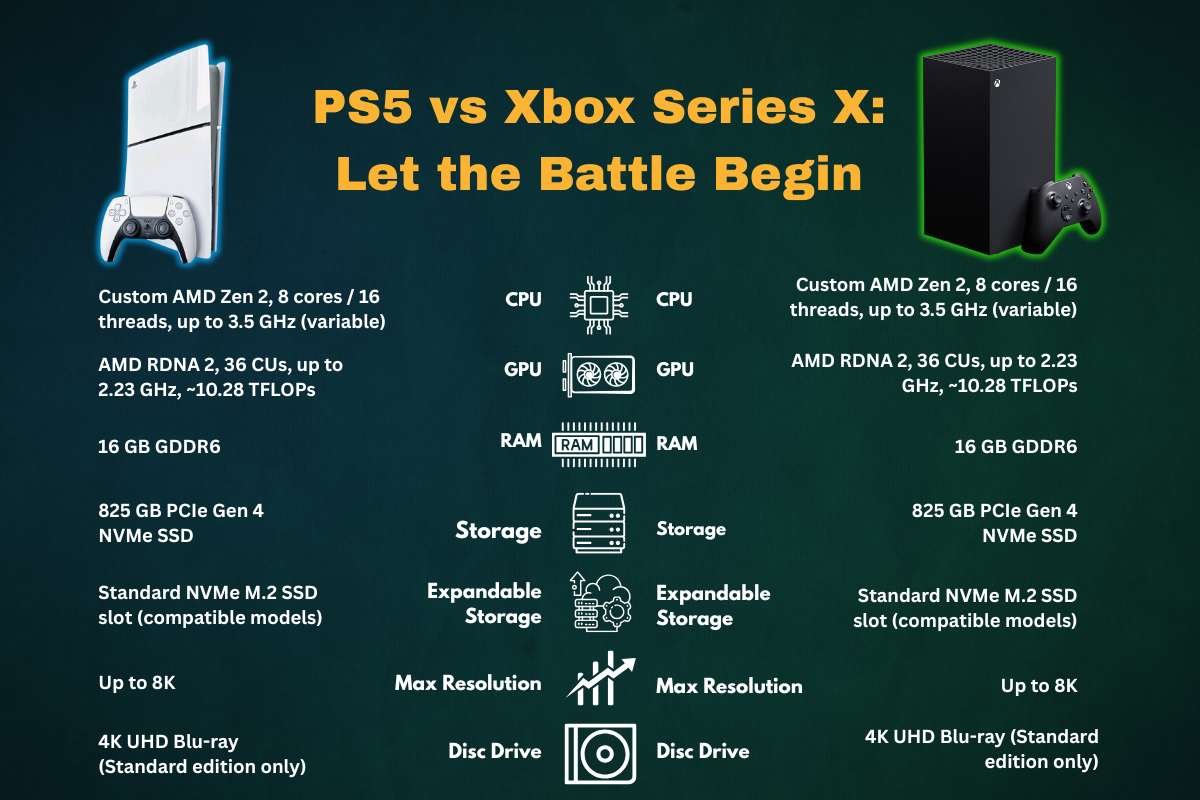
We at the Enterprise Wired have decided to put these two consoles head-to-head to see which one is better suited to different gaming needs. We looked at different aspects like specs, design, power consumption, and exclusive games.
I. PS5 vs Xbox Series X: Core Specifications
| PlayStation 5 | Specification | Xbox Series X |
| Custom AMD Zen 2, 8 cores / 16 threads, up to 3.5 GHz (variable) | CPU | Custom AMD Zen 2, 8 cores / 16 threads, up to 3.8 GHz (3.6 GHz with SMT) |
| AMD RDNA 2, 36 CUs, up to 2.23 GHz, ~10.28 TFLOPs | GPU | AMD RDNA 2, 52 CUs, 1.825 GHz, ~12.15 TFLOPs |
| 16 GB GDDR6 | RAM | 16 GB GDDR6 |
| 825 GB PCIe Gen 4 NVMe SSD | Storage | 1 TB PCIe Gen 4 NVMe SSD |
| Standard NVMe M.2 SSD slot (compatible models) | Expandable Storage | Proprietary Storage Expansion Card |
| Up to 8K | Max Resolution | Up to 8K |
| 4K UHD Blu-ray (Standard edition only) | Disc Drive | 4K UHD Blu-ray |
This PS5 vs Xbox Series X comparison breaks down each category so gamers can see where the real differences matter.
PS5
1. CPU Power
The PlayStation 5 uses a custom AMD Zen 2 CPU with eight cores and sixteen threads. It reaches speeds of up to 3.5 GHz through a variable frequency system. This design adjusts power based on workload, which helps maintain stable performance during long sessions. As a result, games handle AI, physics, and background tasks without slowdowns, making the PS5 vs Xbox Series X comparison particularly interesting for gamers evaluating CPU performance.
In real gameplay, the PS5 CPU performs well in open-world and action-focused games. Large environments load smoothly while enemy behavior stays responsive. At the same time, audio processing and animations run without interruption. This balance keeps gameplay consistent during intense scenes.
2. GPU Power
On the graphics side, the PS5 features an AMD RDNA 2 GPU with 36 compute units. It runs at clock speeds of up to 2.23 GHz and delivers around 10.28 teraflops. Instead of adding more compute units, Sony focused on higher clock speeds. This improves rendering speed and lowers visual latency.
Because of this design, many PS5 games deliver sharp visuals with steady frame rates. Developers often target 60 FPS while maintaining strong texture quality. In addition, several games include 120 FPS modes for faster gameplay. Ray tracing is supported, though settings vary by title.
3. RAM
The PlayStation 5 includes 16 GB of GDDR6 RAM shared between the CPU and GPU. This unified memory design allows faster communication between system components, making the PS5 vs Xbox Series X memory performance comparison a key consideration for gamers. As a result, games access assets quickly with fewer delays. Texture pop-in appears less often during fast movement.
This memory setup also supports smooth world transitions. When players move across large maps, environments stay detailed and stable. Developers can manage memory more efficiently, which improves overall performance. Gameplay feels fluid across different genres.
4. Storage
One of the PS5’s biggest strengths is its 825 GB PCIe Gen 4 NVMe SSD. This storage system delivers extremely fast data speeds. Because of this, many games load in just a few seconds. Some titles load almost instantly.
Fast storage also changes level design. Developers no longer rely on narrow corridors or elevators to hide loading screens. Instead, worlds feel more open and connected. This improves pacing and immersion.
5. Expandable Storage
Sony allows storage expansion through a standard NVMe M.2 SSD slot. However, only compatible PCIe Gen 4 drives meet performance standards, making PS5 vs Xbox Series X storage options an important consideration for gamers. This gives players flexibility when choosing upgrades. Many third-party options are available.
Once installed, expanded storage works like the internal SSD. Games run directly from the added drive without performance loss. Players can store more games without changing how the console performs.
6. Resolution and Disc Support
The PlayStation 5 supports resolutions up to 8K, though most games target 4K. Developers often use dynamic resolution scaling to keep frame rates stable. As a result, visuals stay clear during heavy action.
The standard PS5 includes a 4K UHD Blu-ray disc drive. Users can play physical games and watch movies. Sony also offers a Digital Edition without a disc drive. This gives buyers more flexibility.
Xbox Series X
1. CPU Performance
The Xbox Series X runs on a custom AMD Zen 2 CPU with eight cores and sixteen threads. It reaches up to 3.8 GHz, or 3.6 GHz with SMT enabled. This slight edge becomes noticeable when comparing PS5 vs Xbox Series X in CPU-heavy scenarios. CPU-heavy tasks run efficiently as a result.
In real gameplay, this helps maintain smooth frame pacing. Large open-world games benefit from stable background processing. Fast travel and system features also remain responsive. Performance stays consistent under load.
2. GPU Power
The Xbox Series X GPU uses AMD RDNA 2 architecture with 52 compute units. It runs at 1.825 GHz and delivers around 12.15 teraflops. Compared to the PS5, it offers more raw graphical power. Microsoft prioritized compute units over clock speed.
Because of this, many games run at higher native resolutions. Some titles achieve true 4K more often. Ray tracing performance remains strong in optimized games. Developers usually include multiple visual modes.
3. RAM
The Xbox Series X includes 16 GB of GDDR6 RAM with a split memory design. Faster memory handles graphics tasks, while the rest supports system processes. This structure improves efficiency during demanding scenes. Games stay stable under heavy load.
Developers can assign key assets to faster memory. This helps maintain texture quality and visual clarity. Frame dips appear less frequently. Long sessions remain smooth.
4. Storage
The console includes a 1 TB PCIe Gen 4 NVMe SSD. This provides more usable space than the PS5. Load times remain very fast across games. However, Quick Resume stands out.
Quick Resume allows multiple games to stay suspended. Players can switch titles in seconds without restarting. This saves time during daily use. The feature works especially well with digital libraries.
5. Expandable Storage
Microsoft uses a proprietary Storage Expansion Card for storage upgrades. These cards match the speed of the internal SSD. Installation is simple and tool-free. Users just plug the card into the console.
The main drawback is the limited choice. Only official cards are supported. Prices are also higher than standard NVMe drives. This can increase long-term costs.
6. Resolution and Disc Drive
Like the PS5, the Xbox Series X supports resolutions up to 8K. Most games target 4K with dynamic scaling. Performance modes allow higher frame rates. Players can choose visuals or speed.
The console includes a 4K UHD Blu-ray disc drive. It supports physical games and high-quality media playback. Disc users benefit from this feature. Media performance remains reliable.
II. PS5 vs Xbox Series X: Design and Controller
Design preferences often decide the PS5 vs Xbox Series X debate for gamers with limited space or specific controller comfort needs.
PS5 Design
The PlayStation 5 features a curved, two-tone design with white and black panels. It looks futuristic and stands out from traditional console shapes. Sony allows both vertical and horizontal placement, though it needs an external stand for stability. Because of its size, the console takes up more space on desks or TV units.
In terms of dimensions, the PS5 measures 390 × 104 × 260 mm. It is wider and taller than most consoles. The weight sits at around 4.5 kg, which makes it feel solid. However, the larger footprint may not suit compact setups.
Xbox Series X Design
The Xbox Series X follows a minimalist black rectangular tower design. It looks clean and understated, fitting well into modern living spaces. Like the PS5, it supports both vertical and horizontal placement. However, it remains stable without an external stand.
The console measures 301 × 151 × 151 mm, giving it a compact square footprint. Despite its smaller size, it weighs about 4.45 kg. This dense design helps with airflow and internal cooling. As a result, the console stays quiet during gameplay.
PS5 Controller
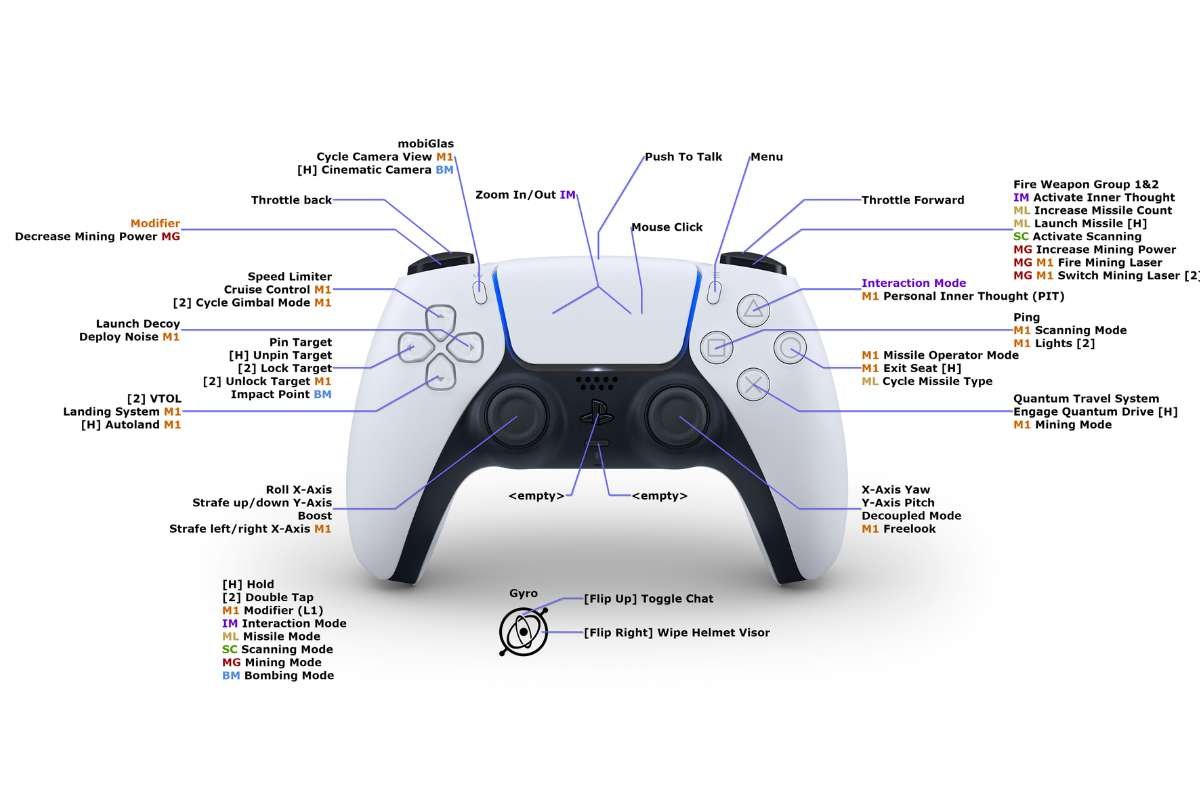
The PS5 uses the DualSense controller, which introduces several new features. It follows a symmetrical thumbstick layout, similar to earlier PlayStation controllers. However, adaptive triggers set it apart. These triggers adjust resistance based on in-game actions, such as drawing a bow or braking a car.
In addition, the controller includes advanced haptic feedback. This allows players to feel different textures and vibrations during gameplay. A built-in microphone and speaker add more interaction options. The controller uses a built-in rechargeable battery and connects through USB-C or Bluetooth.
Xbox Series X Controller
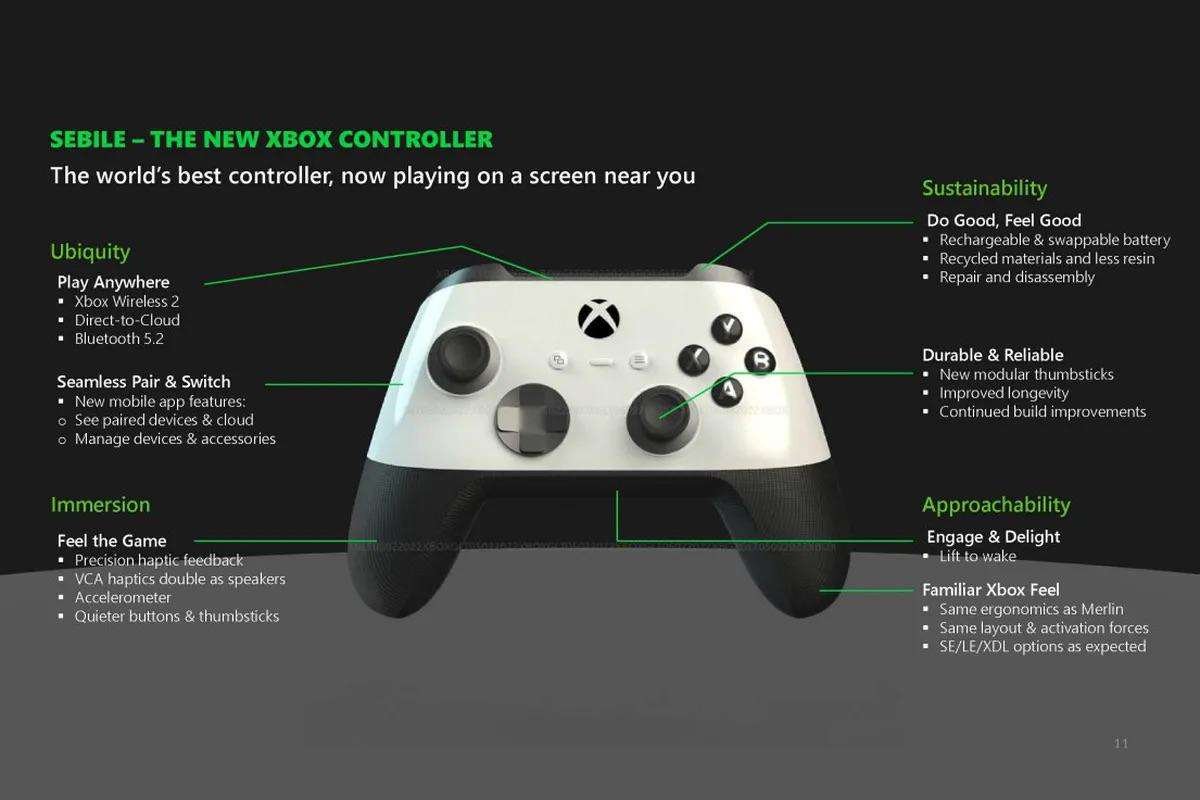
The Xbox Series X comes with the Xbox Wireless Controller. It uses an asymmetrical thumbstick layout, which many players find comfortable. The controller focuses on refinement rather than new features. Standard analog triggers and traditional rumble provide familiar feedback.
Unlike the DualSense, it does not include a built-in microphone or speaker. Power comes from AA batteries or an optional rechargeable pack. This gives players flexibility in how they manage power. The controller connects using USB-C or Bluetooth and feels balanced in hand.
III. Price and Major First-Party Games
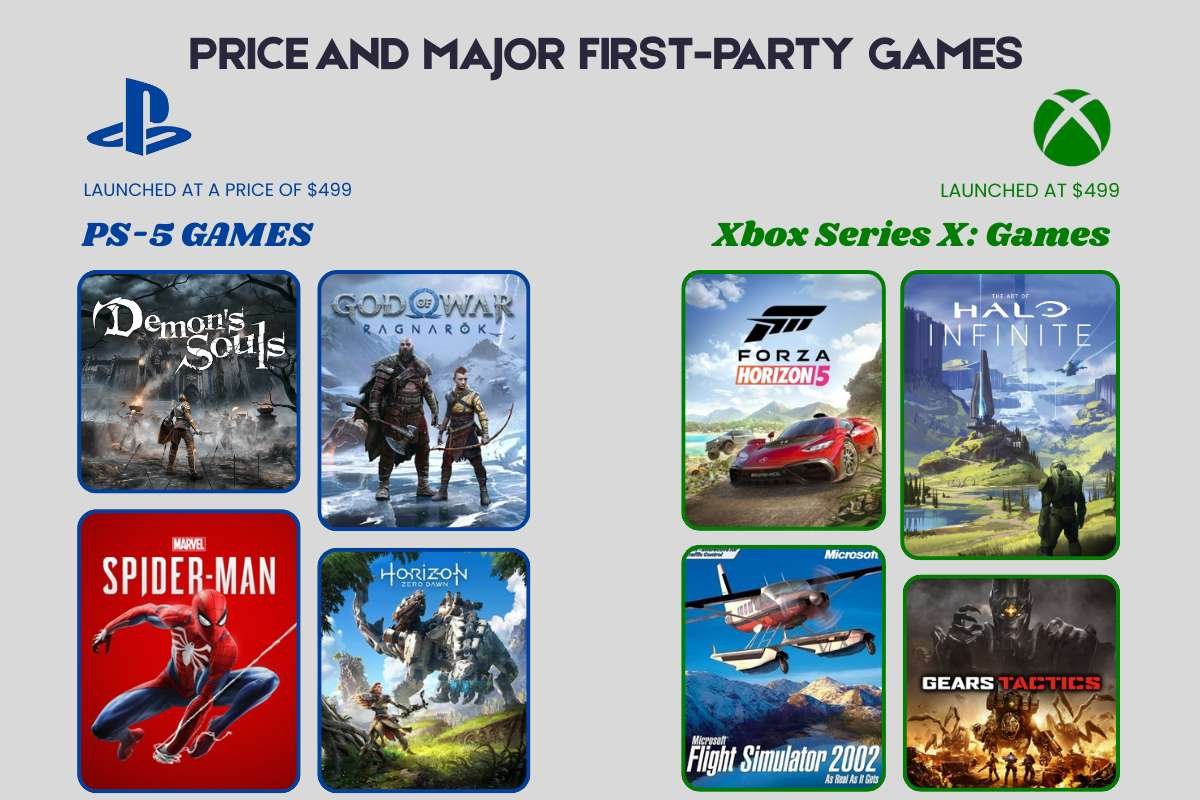
PS5 Price
The PlayStation 5 launched at a price of $499 for the Standard Edition. Sony released the console on November 12, 2020. This price placed the PS5 in direct competition with other high-end consoles. Buyers paid for strong hardware and exclusive game support from day one.
Over time, the price positioned the PS5 as a premium gaming system. The value becomes clearer when paired with Sony’s first-party titles. Players who prefer story-driven games often find the cost justified. Availability has improved since launch.
Xbox Series X Price
The Xbox Series X also launched at $499. Microsoft released the console slightly earlier on November 10, 2020. Matching the PS5 price helped keep competition balanced. Buyers could choose based on features rather than cost.
At this price point, Microsoft focused on performance and ecosystem value. Hardware power and service-based gaming shaped its appeal. The price remains competitive for players invested in Xbox titles. Cost alone does not separate the two consoles.
PS5: Available Games
The PS5 launched with strong first-party exclusives. Early titles included Demon’s Souls and Marvel’s Spider-Man: Miles Morales. These games highlighted fast load times and visual upgrades. They also set expectations for next-generation experiences.
Over the next few years, Sony expanded its lineup. Games like Ratchet & Clank: Rift Apart, Returnal, and Gran Turismo 7 followed. Later releases, such as God of War Ragnarök and Horizon Forbidden West, strengthened the catalog. These exclusives focus on storytelling, visuals, and polished gameplay.
Xbox Series X: Available Games
The Xbox Series X built its library around established franchises. Early releases included Halo Infinite and Gears Tactics. These titles focused on familiar gameplay with technical upgrades. Microsoft also expanded into new genres.
Games like Forza Horizon 5 and Microsoft Flight Simulator showcased scale and realism. Later additions, such as Psychonauts 2 and Hi-Fi Rush, added variety. The lineup emphasizes performance, creativity, and long-term support. This approach appeals to players who enjoy diverse experiences.
IV. Market Overview: PS5 vs Xbox Series X
The PlayStation 5 leads the market in the ongoing PS5 vs Xbox Series X competition.
As of mid to late 2025, global PS5 sales have crossed 80 million units, according to aggregated industry estimates and Sony disclosures. This puts Sony well ahead of its closest competitor in total hardware adoption.
Sony’s strength comes from strong global demand, especially in Europe and Asia. In several recent holiday periods, the PS5 sold more units than all other consoles combined.
Another factor is software performance. PS5 owners remain active buyers, which supports long-term platform growth. As a result, the PS5 holds an estimated 65–70% share of the current-generation console market worldwide.
The Xbox Series X, combined with Series S, trails significantly in hardware sales. Industry analysts estimate total Xbox Series X|S sales between 25 and 35 million units worldwide as of 2025.
However, Microsoft’s strategy focuses less on console dominance and more on ecosystem reach. Xbox Game Pass, PC integration, and cloud gaming reduce reliance on hardware sales alone. While this weakens console market share, it expands Xbox’s presence across devices. As a result, Xbox maintains relevance despite lower console adoption.
Conclusion:
The debate around PS5 vs Xbox Series X ultimately comes down to what kind of gaming experience you value most. Both consoles deliver powerful performance, fast load times, and smooth gameplay that define the current generation. Neither choice is wrong, but each appeals to a different type of player.
The PS5 stands out for its strong lineup of first-party exclusives and immersive DualSense controller features. It is a great pick if you care about story-driven games and unique gameplay experiences. The Xbox Series X, on the other hand, shines with its raw power, backward compatibility, and the value offered through Xbox Game Pass. It suits players who want variety, long-term value, and access to a large game library.
Ultimately, both consoles represent the best of modern gaming, and either one will deliver an excellent experience.
FAQ
1. PS5 vs Xbox Series X: Which console is more powerful?
The Xbox Series X has slightly stronger hardware on paper, but real-world performance is very similar across most games.
2. Can both consoles play older games?
Yes. Both support backward compatibility, though the Xbox Series X supports a wider range of older Xbox titles.
3. Which is better for casual gamers?
Both consoles work well for casual gamers. The choice depends on whether you prefer PlayStation exclusives or the flexibility of Xbox Game Pass.