Wildlife photography is one of the most demanding forms of photography, requiring patience, precision, and the right equipment. From birds in rapid flight to animals moving unpredictably across vast landscapes, capturing these moments depends heavily on using the Best Camera for Wildlife Photography. Speedy burst shooting, intelligent autofocus, strong low-light performance, and durable build quality all play a critical role in getting the shot right.
With camera technology evolving rapidly, choosing the right model can feel overwhelming, especially with so many mirrorless, DSLR, APS-C, and superzoom options available today. That’s why this guide breaks down the top-performing cameras trusted by wildlife photographers worldwide. Whether you’re a beginner stepping into wildlife photography or a professional looking for uncompromising performance in the field, this list will help you find a camera that matches your shooting style, budget, and wildlife goals.
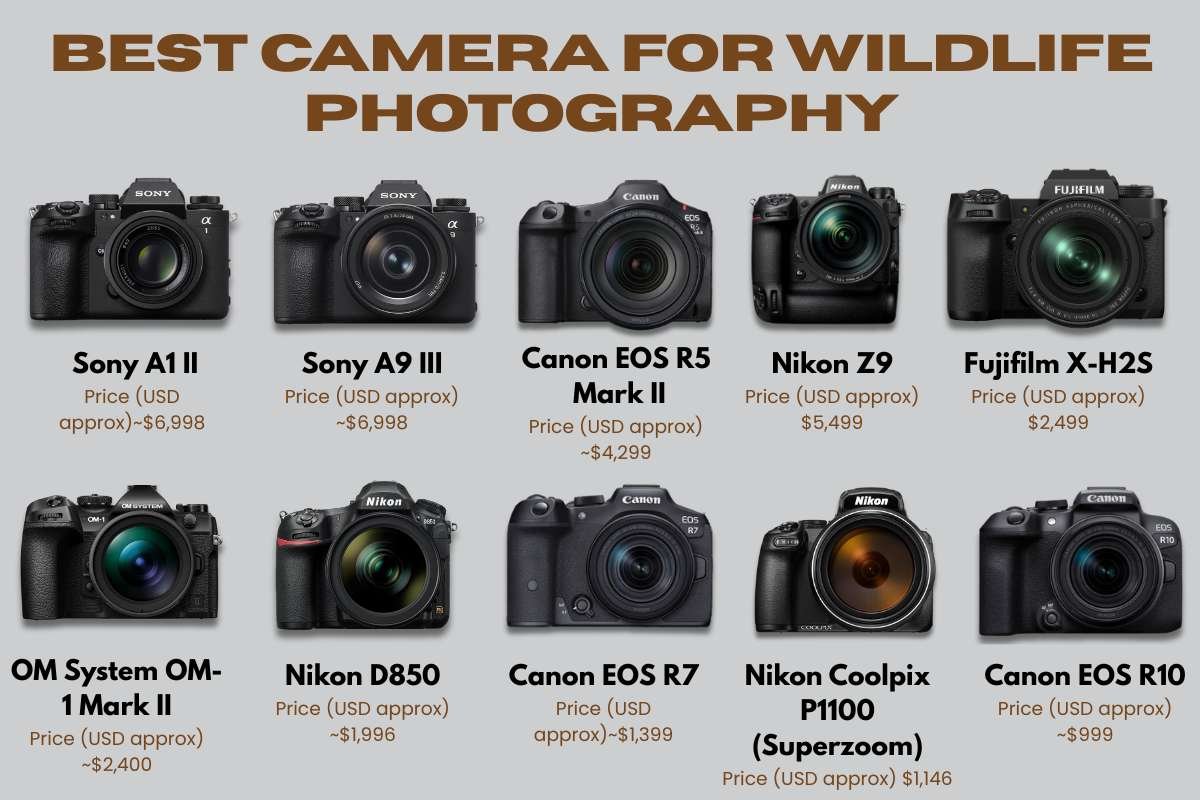
Top 10 Best Cameras for Wildlife Photography in 2026 (Most to Least Price)
Finding the Best Camera for Wildlife Photography means balancing speed, reach, and autofocus precision. Below, we’ve ranked the top cameras that excel at capturing fast-moving animals, birds in flight, and distant subjects tested for real-world wildlife conditions.
10. Sony A1 II
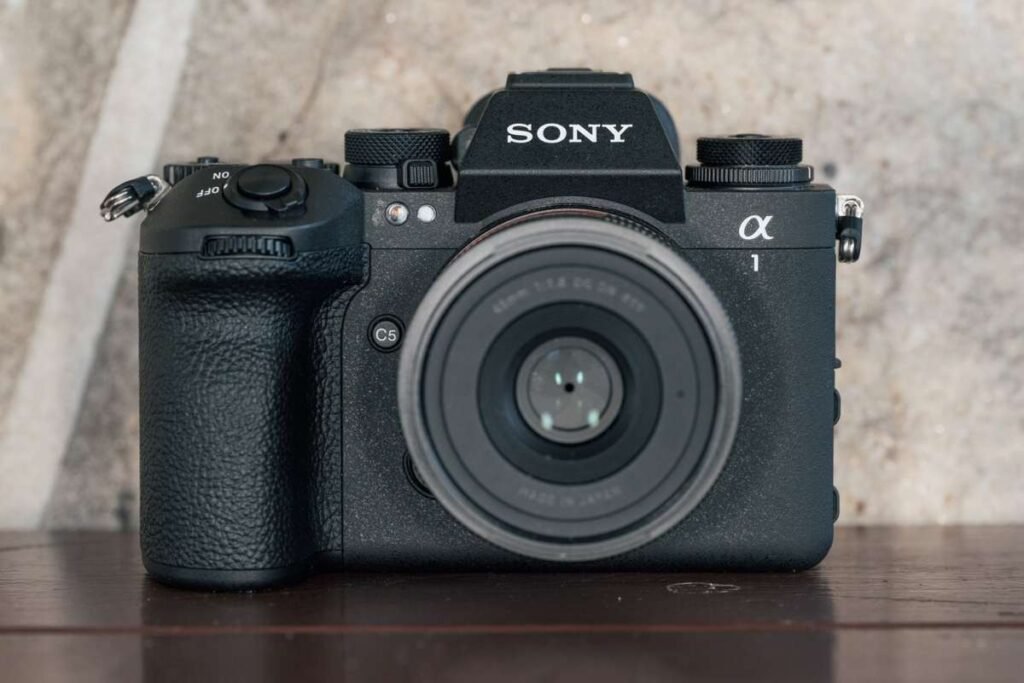
| Price (USD approx) | ~$6,998 |
| Sensor | Full-Frame Stacked CMOS (~50.1 MP) |
| Burst Shooting | Up to ~30 fps |
| Video | 8K30p / 4K120p |
| Autofocus | AI subject recognition AF |
| Stabilization | 5-axis IBIS |
The Sony A1 II is a flagship mirrorless camera designed for professional wildlife photographers who need speed and precision. Its high-resolution full-frame sensor captures extreme detail, making it ideal for distant animals and birds. The advanced AI autofocus locks onto eyes, heads, and bodies of wildlife with remarkable accuracy. With lightning-fast burst shooting, it excels at freezing unpredictable motion. This camera is best suited for professionals who demand top-tier performance without compromise.
- Reason to Buy: Ultra-high resolution and pro imaging tools.
- Reason to Avoid: Extremely expensive for most users.
9. Sony A9 III
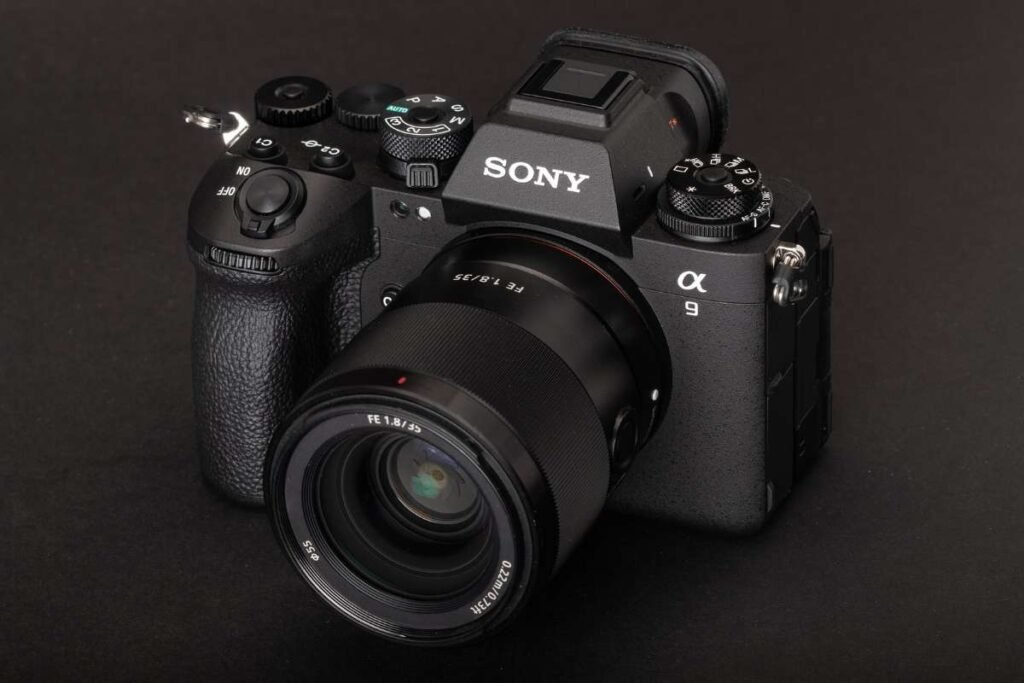
| Price (USD approx) | ~$6,998 |
| Sensor | Full-Frame Global Shutter (~24.6 MP) |
| Burst Shooting | Up to 120 fps (max) |
| Video | 4K120p (approx) |
| Autofocus | Advanced hybrid AF with animal tracking |
| Stabilization | 5-axis IBIS |
The Sony A9 III stands out as one of the fastest cameras ever made for wildlife photography. Its groundbreaking global shutter technology eliminates rolling shutter distortion, making it a strong contender for the Best Camera for Wildlife Photography when speed is critical. This allows photographers to capture birds in flight and animals sprinting across landscapes with exceptional clarity. The autofocus system remains highly responsive and reliable even in challenging lighting conditions. While it comes at a premium price, it delivers unmatched performance for serious wildlife shooters.
- Reason to Buy: Insane burst speed and global shutter for fast wildlife.
- Reason to Avoid: High cost; lower megapixels limit cropping.
8. Canon EOS R5 Mark II
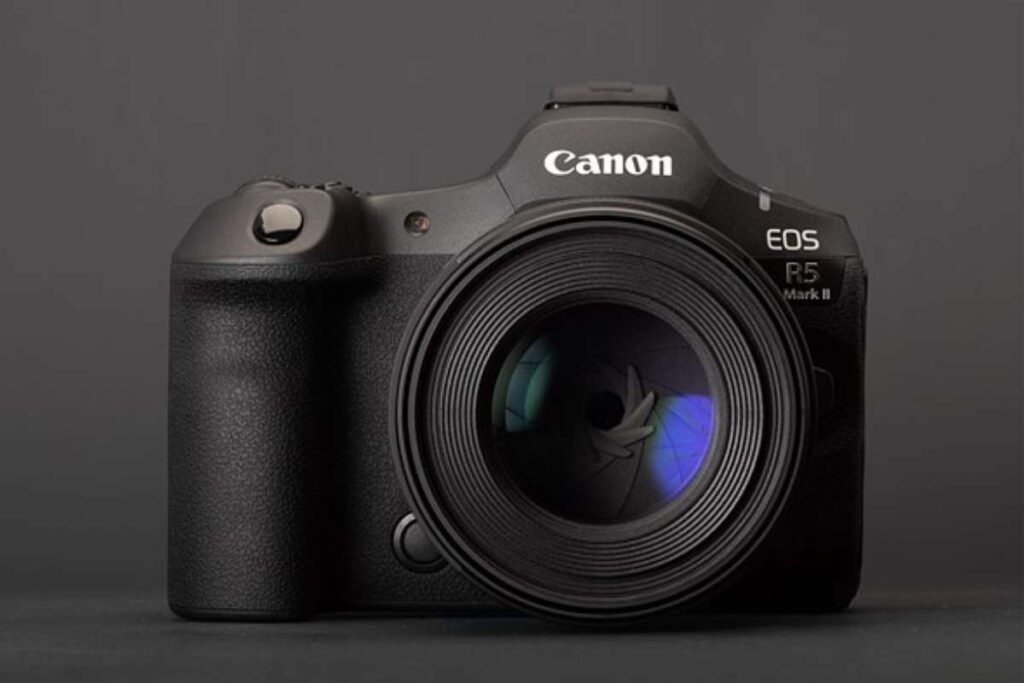
| Price (USD approx) | $4,299 |
| Sensor | Full-Frame Stacked CMOS (~45 MP) |
| Burst Shooting | Up to 30 fps electronic |
| Video | 8K60p / 4K120p |
| Autofocus | Dual Pixel CMOS AF II |
| Stabilization | In-body up to ~8.5 stops |
The Canon EOS R5 Mark II is a powerful full-frame mirrorless camera known for its exceptional image quality. Its high megapixel count allows photographers to crop wildlife images without losing detail. The AI-powered autofocus accurately tracks animals even in complex backgrounds. It also performs well in low-light situations, such as dawn and dusk wildlife shoots. This camera is best for photographers who want both resolution and advanced autofocus technology.
- Reason to Buy: Excellent detail and powerful subject tracking, ideal for wildlife action.
- Reason to Avoid: Premium price for beginners.
7. Nikon Z9
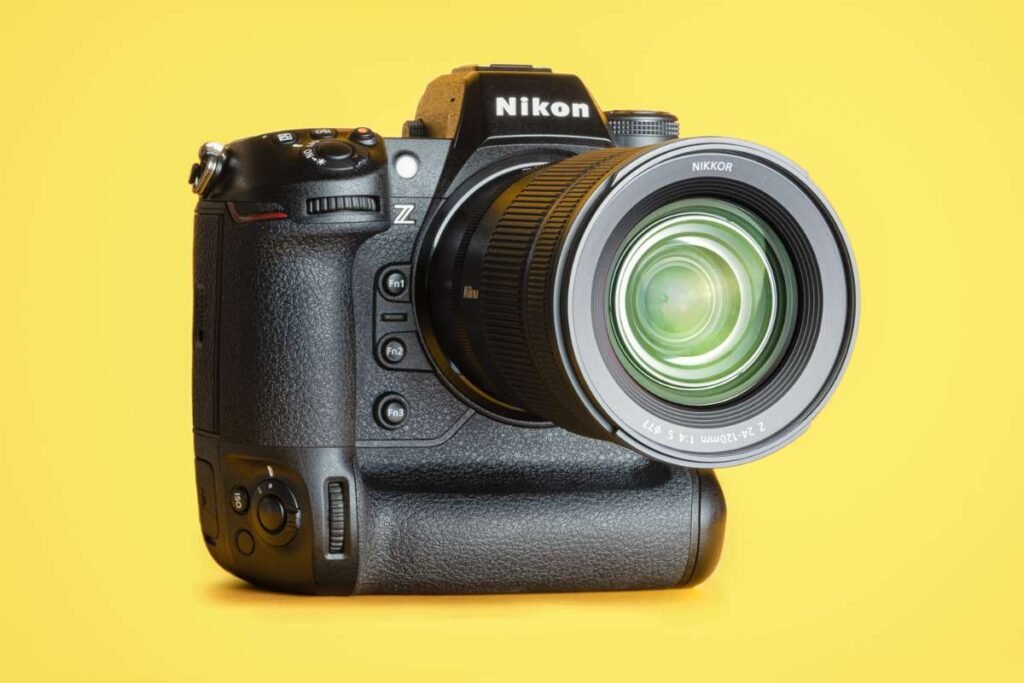
| Price (USD approx) | $5,499 |
| Sensor | Full-Frame Stacked CMOS (~45.7 MP) |
| Burst Shooting | 20 fps RAW / 30 fps JPEG |
| Video | 8K60p / 4K120p |
| Autofocus | 493-point hybrid AF |
| Stabilization | 5-axis IBIS |
Best Camera for Wildlife Photography, the Nikon Z9 is a rugged, professional-grade mirrorless camera built to perform in extreme wildlife environments. Its high-resolution sensor delivers outstanding image clarity along with excellent dynamic range. The advanced subject-detection autofocus tracks animals and birds with impressive accuracy. With high-speed continuous shooting, it captures fast-moving wildlife effortlessly. This camera is an ideal choice for professionals who prioritize durability, reliability, and performance in the field.
- Reason to Buy: Pro performance and rugged field build.
- Reason to Avoid: Heavy and pricey for casual shooters.
6. Fujifilm X-H2S
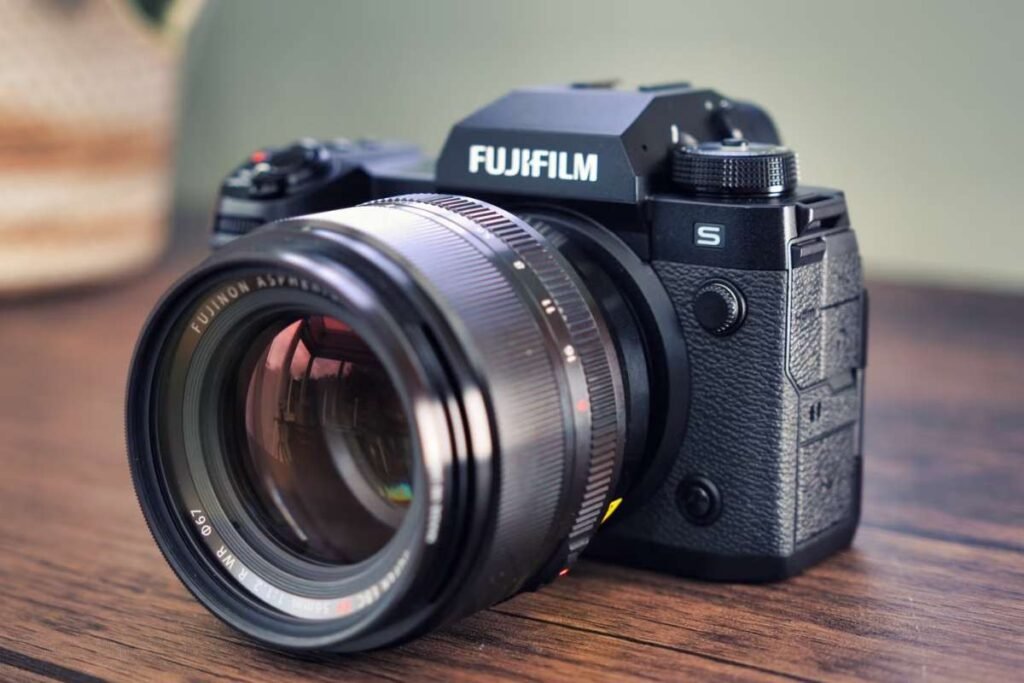
| Price (USD approx) | $2,499 |
| Sensor | APS-C Stacked CMOS (~26 MP) |
| Burst Shooting | Up to 40 fps |
| Video | 6.2K30p / 4K120p |
| Autofocus | Intelligent subject detection AF |
| Stabilization | 5-axis IBIS |
The Fujifilm X-H2S is a top-performing APS-C camera that offers excellent speed and reach for wildlife photography. Its stacked sensor enables fast burst shooting and reduced rolling shutter. The crop sensor effectively extends focal length, making distant subjects easier to capture. Fujifilm’s color science delivers natural and pleasing wildlife tones. This camera is a great option for enthusiasts and professionals seeking performance at a lower cost.
- Reason to Buy: Fast AF and excellent FPS in a compact body.
- Reason to Avoid: APS-C limits low-light power vs full-frame.
5. OM System OM-1 Mark II
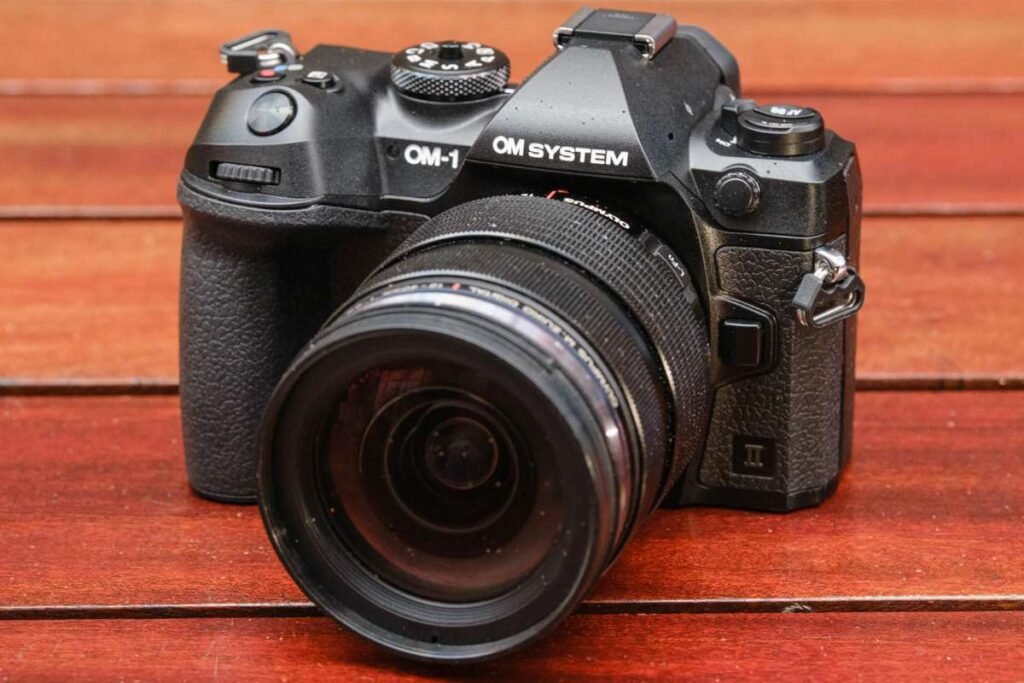
| Price (USD approx) | ~$2,400 |
| Sensor | Micro Four Thirds (~20 MP) |
| Burst Shooting | ~50 fps silent shooting |
| Video | 4K60p |
| Autofocus | Advanced animal/bird AF |
| Stabilization | ~7.5 stops IBIS |
The OM System OM-1 Mark II is a lightweight yet powerful camera ideal for mobile wildlife photographers. Its Micro Four Thirds sensor provides extra reach, which is especially useful for photographing birds and small animals from a distance. The camera features strong image stabilization, helping capture sharp handheld shots in dynamic environments. Its weather-sealed body performs reliably in harsh outdoor and changing conditions. For travelers and nature photographers who value portability without sacrificing performance, it stands out as a Best Camera for Wildlife Photography.
- Reason to Buy: Lightweight with excellent reach and speed.
- Reason to Avoid: Smaller sensor means modest low-light performance.
4. Nikon D850
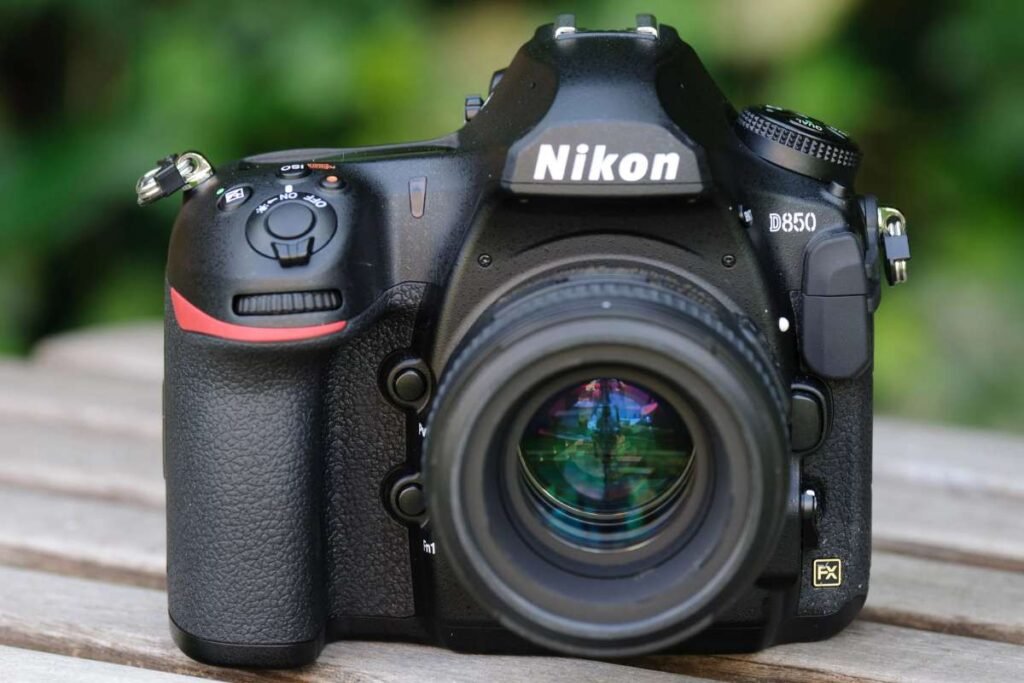
| Price (USD approx) | ~$1,996 |
| Sensor | Full-Frame CMOS (~45.7 MP) |
| Burst Shooting | ~7 fps (9 fps w/ grip) |
| Video | 4K30p |
| Autofocus | 153-point AF |
| Stabilization | Lens-dependent |
The Nikon D850 remains a trusted DSLR choice for wildlife photography even today. Its high-resolution sensor delivers outstanding image detail and dynamic range. The optical viewfinder offers a natural shooting experience, especially in bright outdoor conditions. Autofocus performance is reliable for tracking wildlife movement. This camera is best suited for photographers who prefer DSLRs over mirrorless systems.
- Reason to Buy: High resolution and dynamic range for large prints.
- Reason to Avoid: Slower continuous shooting vs mirrorless cameras.
3. Canon EOS R7
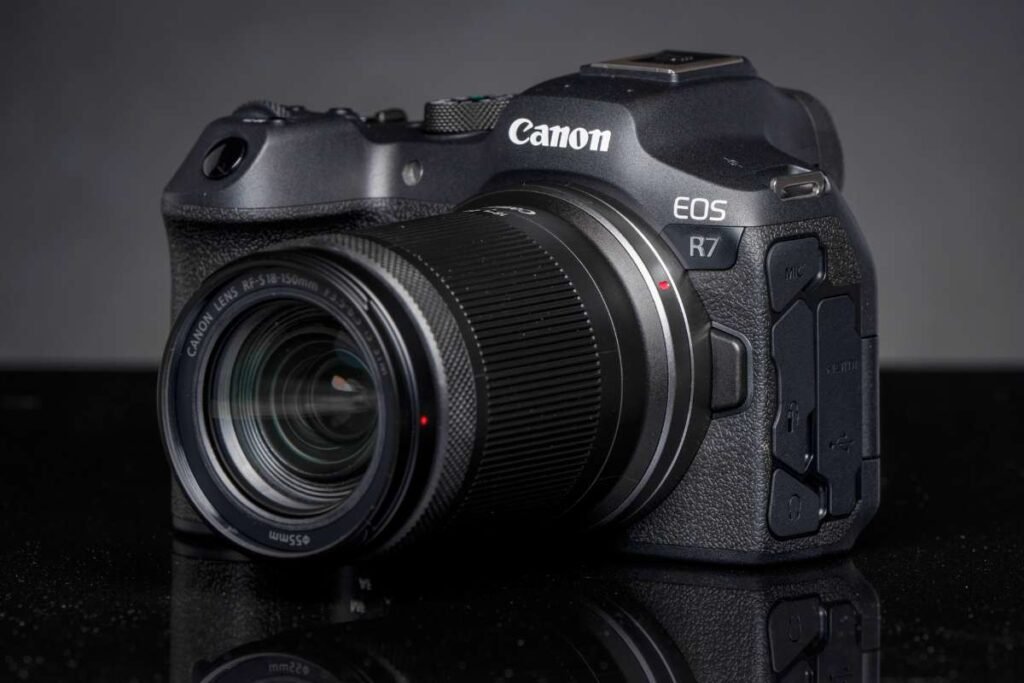
| Price (USD approx) | ~$1,399 |
| Sensor | APS-C CMOS (~32.5 MP) |
| Burst Shooting | Up to 30 fps |
| Video | 4K60p |
| Autofocus | Dual Pixel AF with tracking |
| Stabilization | In-body IBIS |
The Canon EOS R7 is an APS-C mirrorless camera designed with wildlife and sports photography in mind. With fast burst shooting, it makes capturing sudden animal movements easier and more reliable, which is why it’s often considered the best camera for Wildlife Photography in the APS-C category. The crop sensor provides extra reach, making it ideal for photographing distant birds and animals. Canon’s subject-detection autofocus performs consistently well for tracking wildlife in motion. Overall, this camera offers excellent value for serious wildlife enthusiasts who want speed and reach without a flagship price tag.
- Reason to Buy: High-res APS-C with IBIS for crisp wildlife shots.
- Reason to Avoid: APS-C means some low-light limits vs full-frame.
2. Nikon Coolpix P1100 (Superzoom)
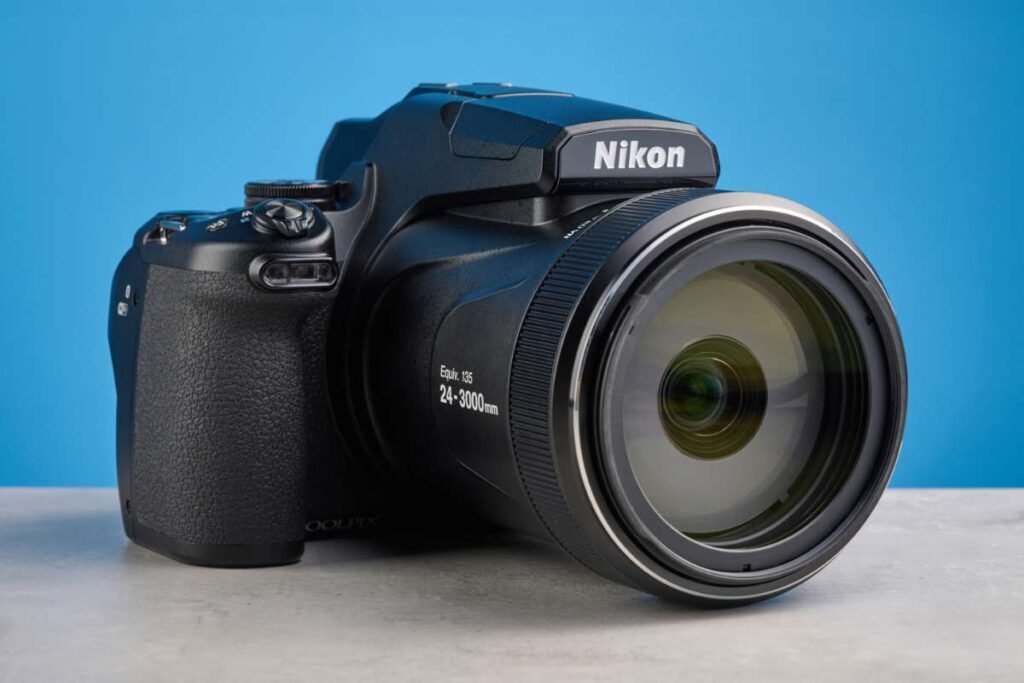
| Price (USD approx) | $1,146 |
| Sensor | 16 MP 1/2.3″ CMOS |
| Zoom | 125× optical (~24–3000 mm equiv) |
| Video | 4K30p |
| Stabilization | Optical only |
The Nikon Coolpix P1100 is a superzoom camera built for extreme wildlife reach without interchangeable lenses. Its massive zoom range allows photographers to capture distant animals easily. This makes it suitable for casual wildlife photographers who want simplicity. Image quality is decent in good lighting but limited in low-light conditions. It’s a convenient all-in-one option for beginners and travel shooters.
- Reason to Buy: Massive built-in zoom without interchangeable lenses.
- Reason to Avoid: Small sensor and limited autofocus.
1. Canon EOS R10
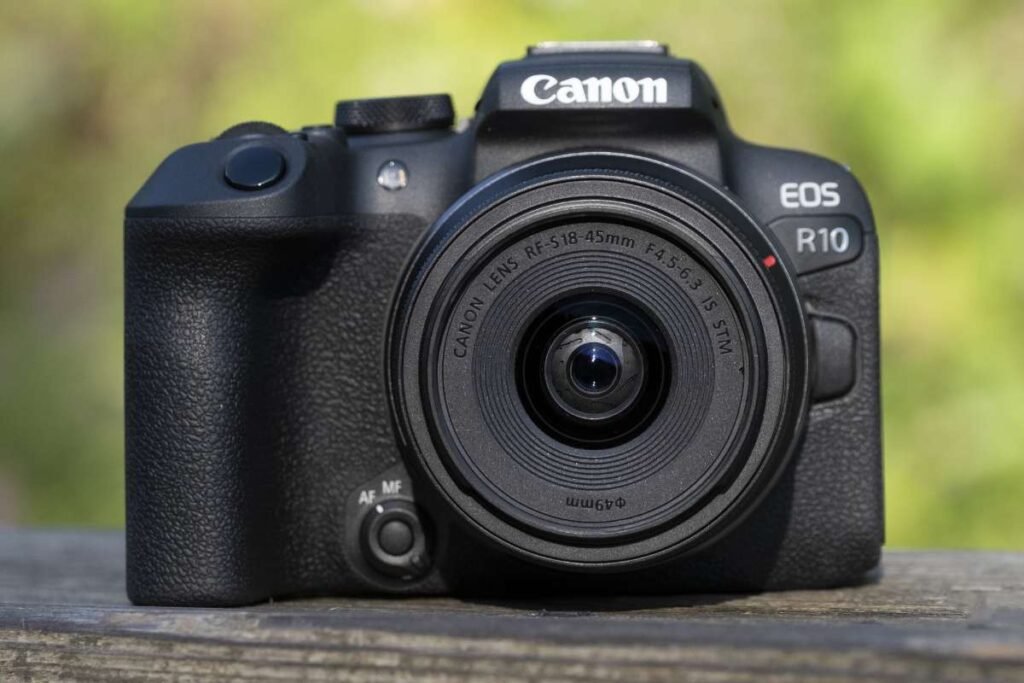
| Price (USD approx) | ~$999 |
| Sensor | APS-C CMOS (~24.2 MP) |
| Burst Shooting | Up to 23 fps |
| Video | 4K60p |
| Autofocus | Dual Pixel AF II |
| Stabilization | None in-body |
Best Camera for Wildlife Photography options for beginners often include the Canon EOS R10, thanks to its lightweight design and user-friendly controls. It is easy to carry on long wildlife trails and outdoor shoots without causing fatigue. The fast and accurate autofocus does a reliable job of tracking moving animals and birds. While it doesn’t offer the advanced features found in higher-end models, it still produces sharp, vibrant images in good lighting. This makes the Canon EOS R10 a practical and budget-friendly choice for hobbyist wildlife photographers.
- Reason to Buy: Great entry into wildlife photography on a budget.
- Reason to Avoid: No in-body stabilization.
Conclusion:
Choosing the Best Camera for Wildlife Photography comes down to your priorities: speed, reach, autofocus accuracy, low-light performance, and budget. From professional full-frame powerhouses like the Sony A1 II and Nikon Z9 to versatile APS-C and superzoom options like the Canon EOS R7 and Nikon Coolpix P1100, there’s a camera to suit every wildlife photographer’s needs.
Whether you’re a beginner taking your first steps into wildlife photography or a seasoned pro chasing the perfect shot, investing in the right gear can transform your results. Use this guide to find a camera that matches your style, helps you capture nature’s action in stunning detail, and ensures every moment counts.
FAQs
1. What is the best camera for wildlife photography for beginners?
For beginners, cameras like the Canon EOS R10 or Nikon Coolpix P1100 are ideal. They offer easy-to-use controls, reliable autofocus, and sufficient zoom or burst shooting capabilities to capture fast-moving wildlife without a steep learning curve.
2. Do I need a full-frame camera for wildlife photography?
Not necessarily. Full-frame cameras provide better low-light performance and dynamic range, but APS-C and Micro Four Thirds cameras can offer extra reach and faster burst speeds, making them excellent choices for photographing distant wildlife.
3. Which features matter most in a wildlife photography camera?
Key features include fast burst shooting, advanced autofocus with subject tracking, good low-light performance, image stabilization, and a durable, weather-sealed build. These ensure you can capture sharp, detailed images in unpredictable outdoor conditions.
4. Can I use a superzoom camera for wildlife photography?
Yes, superzoom cameras like the Nikon Coolpix P1100 provide extreme reach without interchangeable lenses, making them convenient for casual wildlife photography. However, they may have smaller sensors and limited autofocus compared to DSLRs or mirrorless cameras.
5. Which camera is best for professional wildlife photographers?
Professional wildlife photographers often prefer full-frame mirrorless cameras like the Sony A1 II, Nikon Z9, or Canon EOS R5 Mark II. These models combine high resolution, fast burst shooting, advanced AI autofocus, and rugged construction for top-tier performance in challenging wildlife environments.