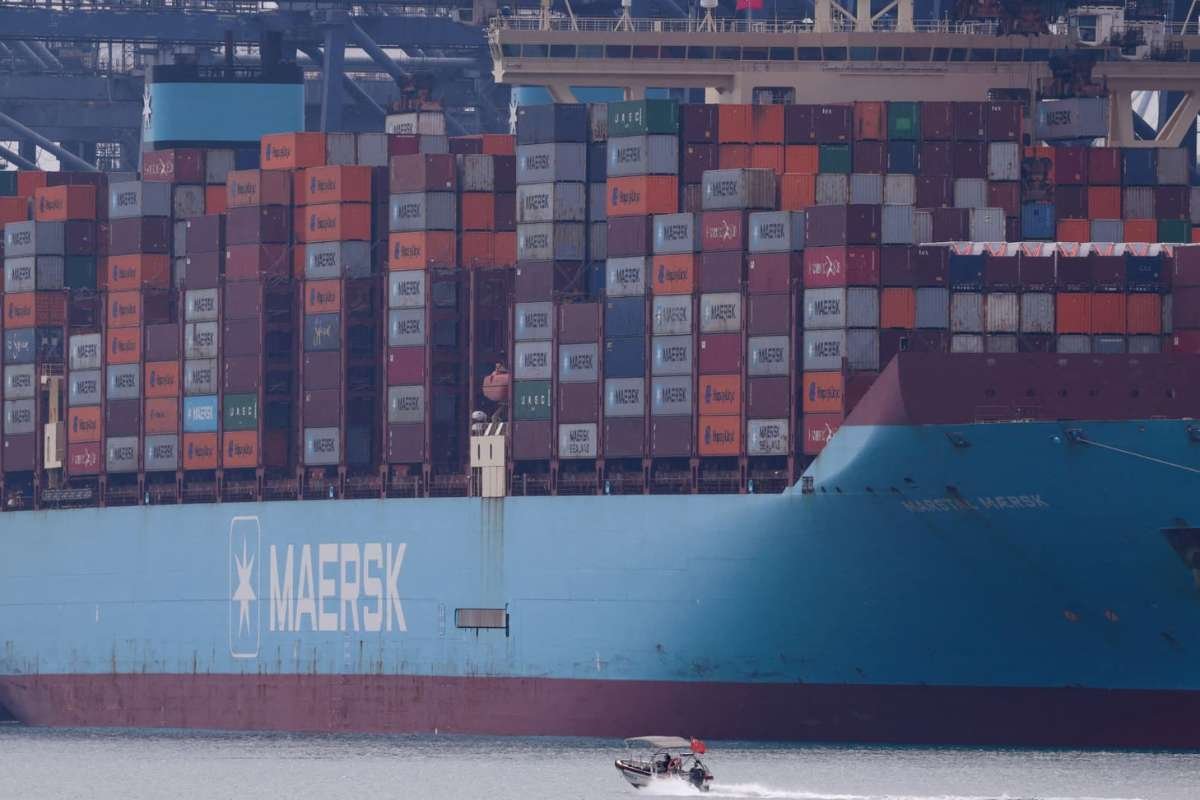
The United States saw its trade deficit with global partners surge in November, rising sharply after a month of relatively low imbalances. The Census Bureau reported that the trade shortfall jumped to $56.8 billion—an increase of nearly 95 percent from October—as the U.S. Trade Deficit Nearly Doubles following a significant growth in the deficit with the European Union.
European Trade Gap Drives Deficit Increase
About one-third of November’s trade deficit growth came from the European Union, where the goods deficit rose by $8.2 billion. Meanwhile, the goods deficit with China decreased slightly by approximately $1 billion, reaching $13.9 billion. U.S. Trade Deficit Nearly Doubles, highlighting continued challenges in balancing imports and exports with major trading partners.
Over the first eleven months of the year, the U.S. trade deficit totaled $839.5 billion, around four percent higher than the same period in 2024. Analysts note that the increasing gap with the European Union contributed heavily to this year-over-year growth, despite some improvement in the deficit with China.
Broader Implications for Trade and Business
The trade figures illustrate the complex dynamics of global commerce, where shifts in tariffs, demand, and supply chains directly affect the flow of goods. Businesses engaged in international trade may face higher costs or delays as they navigate changing patterns of imports and exports.
While the deficit with the European Union widened, the overall deficit remains closely monitored by policymakers and business leaders alike. The November surge which saw the U.S. Trade Deficit Nearly Doubles to $56.8 billion, underscores the need for companies to consider international market conditions when planning supply chains, pricing strategies, and investment decisions.
Exports to major trading partners continued to face competitive pressures, while imports reflected both consumer demand and the movement of industrial goods. The disparity between U.S. exports and imports with specific regions suggests that businesses may need to adjust strategies to maintain efficiency and profitability in a complex trade environment.
The monthly data also emphasizes the importance of monitoring foreign market trends and currency fluctuations, as these can influence the balance of trade and impact costs for companies operating internationally. Entrepreneurs and business owners may use these insights to inform sourcing, manufacturing, and sales decisions across global markets.
Overall, the November trade report highlights how shifts in trade relationships and economic factors can rapidly influence national trade balances. Companies involved in import and export activities are advised to remain agile and responsive to these changes to sustain competitiveness in an increasingly interconnected global economy.
The report serves as a reminder that while monthly fluctuations are expected, tracking trends with major trading partners remains critical for businesses managing international operations and investments.