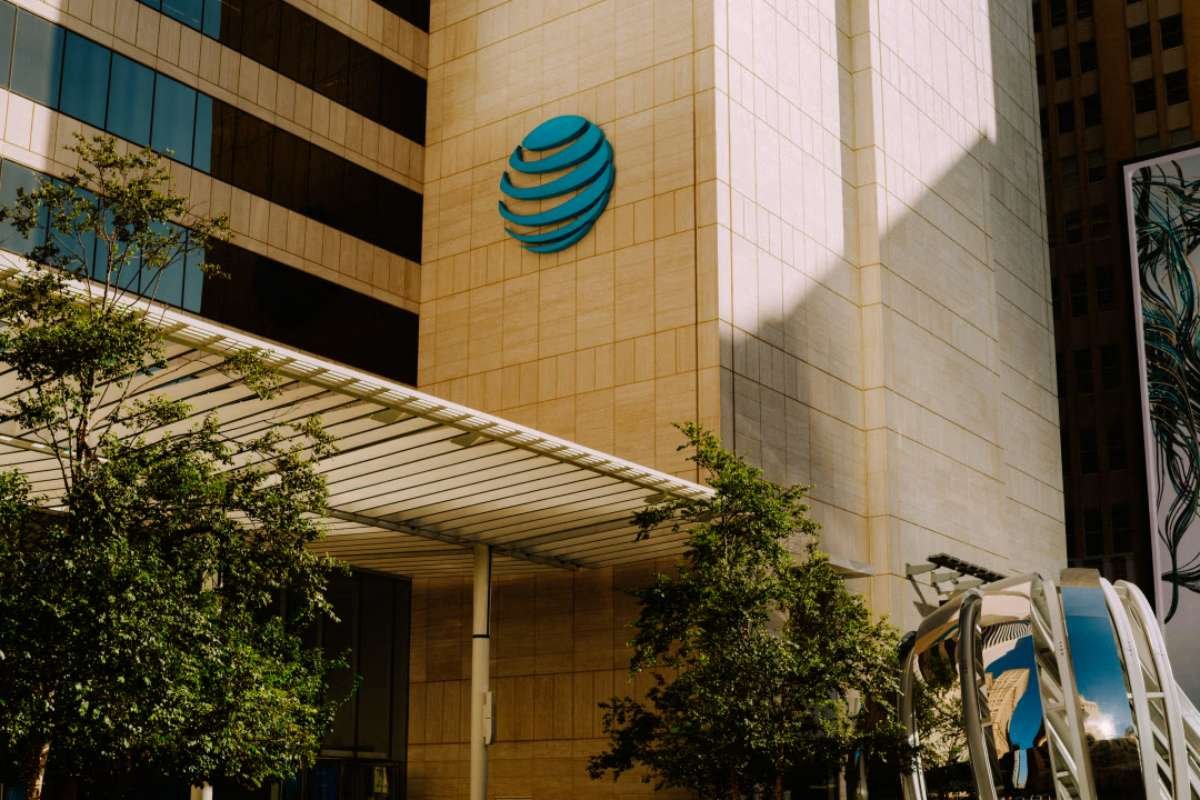
AT&T announced it will relocate its global headquarters from Downtown Dallas to a new suburban campus in Plano, beginning in late 2028, citing evolving work needs and long term operational priorities.
The AT&T headquarters move marks a major shift for one of the Dallas-Fort Worth region’s largest employers and signals potential economic consequences for downtown Dallas. While company leadership reaffirmed confidence in the broader metroplex, the move raises questions about property values, local business activity, and the future use of AT&T’s current downtown footprint.
Suburban Campus Signals Strategic Shift
AT&T headquarters move will include the development of a 54-acre campus along Legacy Drive in Plano, at the former site of the Electronic Data Systems headquarters. The company expects to begin transitioning some employees to the new location by late 2028, though it has not disclosed how many workers will relocate or whether any operations will remain in downtown Dallas.
In a message to employees, AT&T stated that the nature of its business and work environment has changed significantly since relocating its headquarters to Dallas in 2008. While the company did not detail specific operational changes, it emphasized that its long term commitment to the Dallas-Fort Worth region remains intact.
For entrepreneurs and business owners, the move highlights a broader trend of large corporations favoring campus style developments over dense urban office towers. Such campuses often offer greater control over security, space planning, and employee amenities, factors that have become more prominent in post pandemic corporate strategies.
Dallas city leaders acknowledged the decision but expressed optimism about downtown’s continued evolution. They pointed to new developments, including a planned Goldman Sachs campus in Victory Park and efforts to expand the city’s financial sector presence, as signs of ongoing momentum.
Downtown Economic Impact and Business Concerns
Despite reassurances, recent reports suggest the relocation could have a significant economic impact on downtown Dallas. A study commissioned by Downtown Dallas Inc projected that AT&T’s departure could contribute to a potential 30 percent decline in nearby property values, alongside reduced foot traffic for surrounding businesses.
Local business owners have already voiced concern. Operators of small, independently owned establishments near the AT&T campus said they rely heavily on daily traffic from employees. The loss of a major corporate neighbor could affect revenue stability and long term planning for these businesses.
The same report cited public safety as one of the factors influencing the AT&T headquarters move, though company leadership has not publicly elaborated on this point. Former city manager and current academic Ted Benavides described the move as disappointing but emphasized that economic development cycles require adaptation rather than reaction.
He noted that replacing a corporate tenant of AT&T’s scale would be challenging but also presents an opportunity to diversify downtown’s economic base. Office space vacated by large employers can sometimes attract smaller firms, startups, or new industry clusters if positioned strategically.
Questions also remain about the future of the AT&T Discovery District, a high-profile downtown destination that has hosted events, dining, and public gatherings. AT&T has not responded to inquiries about whether the district will continue operating after the AT&T headquarters move.
Looking ahead, downtown Dallas faces additional change, with professional sports teams exploring new stadium options and further redevelopment under discussion. Business owners say their primary concern is maintaining consistent activity and attracting people to the area.
For entrepreneurs and investors, AT&T’s relocation underscores how corporate real estate decisions can reshape local economies. While Plano stands to gain jobs, development, and long-term investment, downtown Dallas now faces a period of transition that will test its ability to attract new businesses and reimagine existing assets.