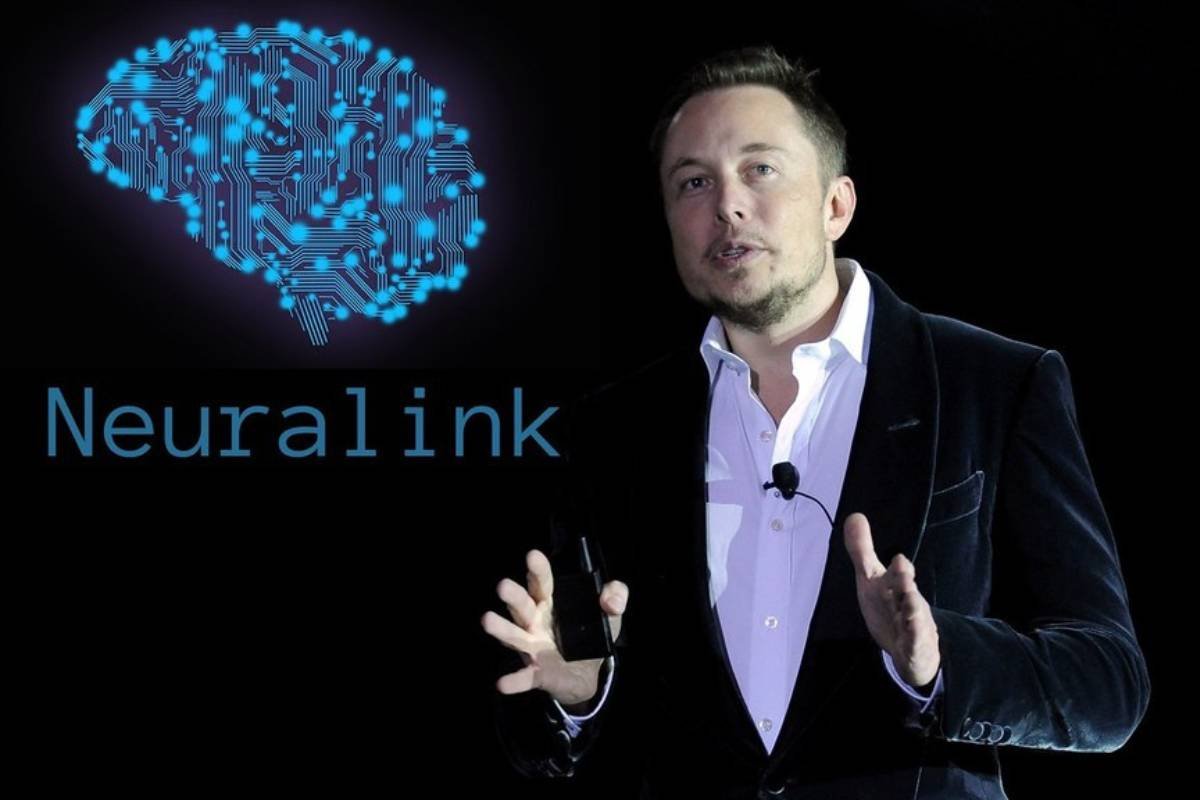
Elon Musk announced that Neuralink mass production of brain-computer interface chips is planned for 2026, with the goal of making implant surgeries faster, safer, and nearly fully automated through advanced robotic systems.
Neuralink Pushes Toward Scaled Production
Neuralink, the brain-computer interface company founded by Musk, is preparing to shift from experimental trials to large-scale manufacturing of its implantable brain chips later this year. Musk outlined the plans in a post on X, responding to a summary of the company’s progress in 2025.
Musk wrote that Neuralink mass production of brain-computer interface devices will begin in 2026, alongside a streamlined surgical procedure that is expected to be almost entirely automated.
The company’s implant is designed to allow people with severe paralysis to control digital devices using thought alone. Users can move a cursor, type text or interact with software without physical movement, offering new communication options for people who cannot speak or use their hands.
Neuralink has not revealed how many devices it will produce each year, but the move toward Neuralink mass production represents a significant shift for a company that until recently was focused only on small clinical trials.
New Implant Method Aims to Cut Risk
A key part of Neuralink’s strategy involves changing how its electrode threads are implanted in the brain. Musk said newer versions of the device can insert threads through the dura, the brain’s outer protective membrane, without removing it.
Avoiding removal of the dura could significantly reduce surgical risk and recovery time, according to experts familiar with neurosurgical procedures. It also shortens the overall operation, making automation more feasible.
Neuralink has developed a next-generation surgical robot to perform the procedure. The robot can insert electrode threads in about 1.5 seconds per thread and reach deeper areas of the brain than earlier systems, the company has said.
The robot is designed to adapt to individual brain anatomy, enhancing precision and consistency across patients. As part of its push toward broader adoption, Neuralink mass production efforts have also focused on lowering manufacturing costs for surgical components, including needle cartridges.
“These improvements are about speed, accuracy and safety,” Musk said in earlier posts discussing the robotic system.
Trials Expand Beyond the United States
Neuralink is also expanding its clinical trials outside the United States. The company conducted its first implant surgeries in Canada in 2025 and has tested the technology in the United Kingdom.
In one demonstration shared publicly, a participant in the UK showed the ability to control a computer shortly after receiving the implant. Previous trial participants have been shown playing video games, browsing the internet and posting on social media using thought-based control.
In the United States, the Food and Drug Administration approved Neuralink’s chip in 2025 for use in speech restoration for people with severe speech impairment. The approval marked a major regulatory milestone for the company.
Neuralink said twelve people with paralysis had received implants as of September 2025, though Musk suggested in social media posts that the actual number may be higher.
The company also raised $650 million in Series E funding last year, valuing Neuralink at about $9 billion, according to people familiar with the deal.
While Neuralink’s technology is still in the clinical trial stage, Musk has emphasized the company’s ambition to make brain-computer interfaces widely accessible. If Neuralink mass production and automation plans succeed, 2026 could become a pivotal year for assistive neurotechnology.
Visit Enterprise Wired for the most recent information.