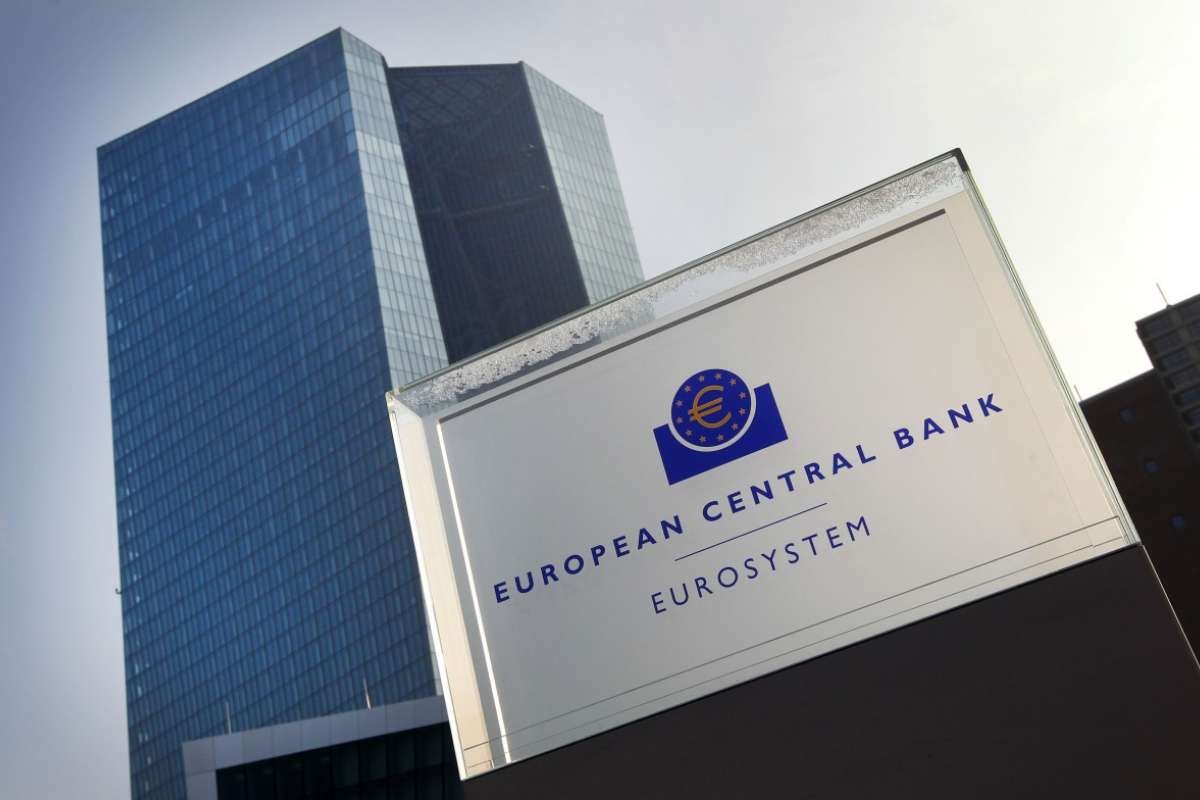
Key Points:
- The European Central Bank kept interest rates unchanged, signaling confidence in the eurozone’s steady economic growth.
- Inflation remains near the 2% target, supported by strong labor markets and rising household spending.
- ECB officials reaffirm a cautious, data-driven approach, with no major rate changes expected before 2026.
The European Central Bank (ECB) decided to keep interest rates unchanged on Thursday, signaling steady confidence in the eurozone’s resilience despite global uncertainty.
The central bank held its key deposit rate at 2% for the third consecutive time. This follows a series of rate cuts earlier in the year, which ended the previous record high of 4%. The ECB’s last cut in June came as inflation aligned with its target of 2%.
Inflation and Growth Remain Balanced
In a statement, the European Central Bank said inflation remains close to its medium-term goal. “The economy continues to grow despite a challenging environment,” it noted, pointing to a strong labor market and healthy private balance sheets as key supports.
Preliminary data released Thursday showed the eurozone economy grew 0.2% in the third quarter, surpassing forecasts. This rise highlights steady activity across key sectors, even amid global trade pressures.
Inflation edged slightly higher to 2.2% in September, up from 2% in August, driven mostly by higher service costs. Economists expected the ECB to avoid major policy changes until there is more clarity on price trends and growth.
European Central Bank President Christine Lagarde said the services sector continues to perform well, supported by tourism and expanding digital activity. However, she noted manufacturing remains restrained by tariffs, a stronger euro, and global uncertainty.
“The economy should benefit from stronger household spending as real incomes rise,” Lagarde added. “From a monetary policy point of view, we are in a good place. But we will adjust if needed.”
Resilience and Future Outlook
Following the announcement, the euro slipped 0.26% against the U.S. dollar, trading at $1.1571. Market analysts said the decision matched expectations, reflecting the European Central Bank’s cautious approach as inflation stabilizes.
Mike Coop, Chief Investment Officer at Morningstar Wealth, said, “Inflation has remained well-behaved, so it’s no surprise the ECB isn’t rushing to move rates.” He added that the region continues to adapt to new trade and investment conditions following years of volatility.
The European Central Bank reaffirmed its data-driven strategy, emphasizing that future rate decisions will depend on updated inflation and growth figures. Several governing members, including Martin Kocher and François Villeroy de Galhau, said the easing phase is nearing its conclusion but stressed flexibility in response to any economic shifts.
Economists surveyed by Reuters in mid-October largely expect the ECB to hold its deposit rate through 2026, with 57% predicting no changes before the end of next year.
For now, the central bank appears comfortable maintaining its current position, balancing steady inflation, moderate growth, and external pressures.