First-time managers often struggle when moving from individual execution to directing team performance. Stepping into a supervisory role without a clear management playbook leads to micromanagement, poor boundary setting, and confused team members.
Reading targeted leadership books gives rising leaders actionable frameworks for building trust, handling workplace conflict, and driving accountability. Below, you will find top book selections, a step-by-step framework for applying what you read, and key indicators of management growth.
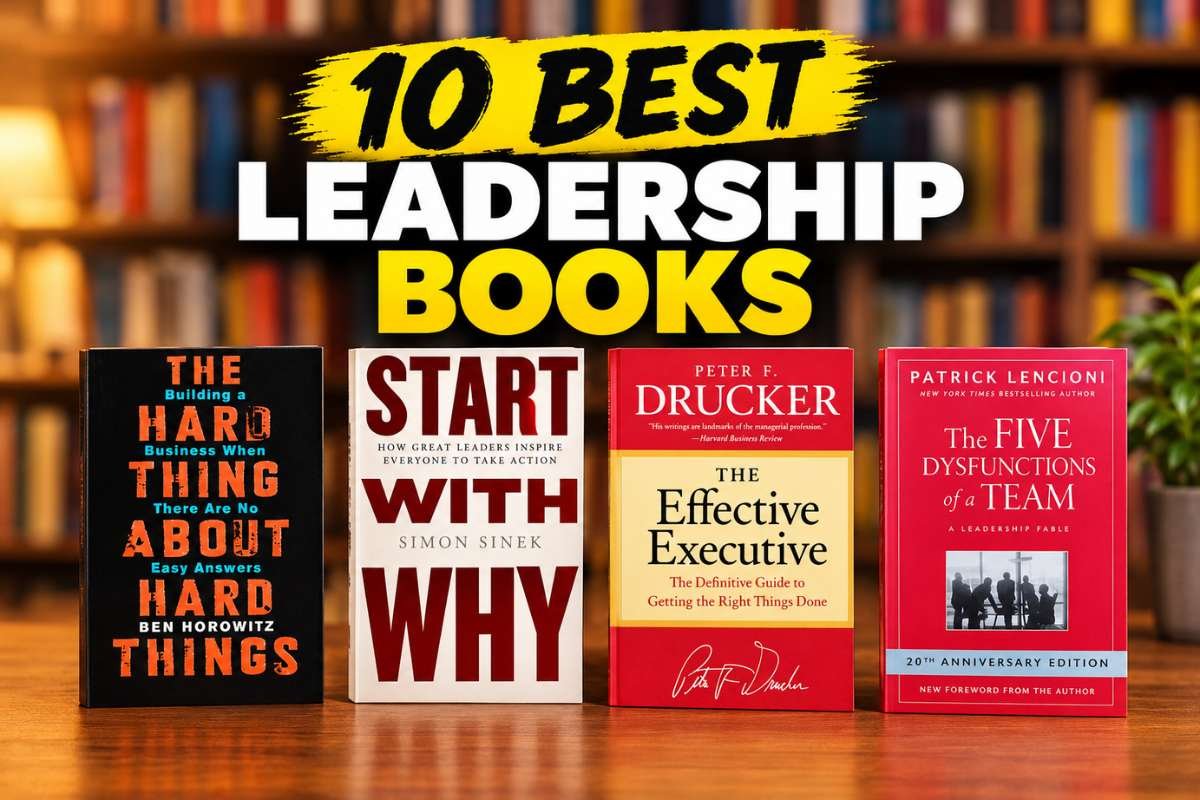
10 best leadership books to build stronger leadership skills
Leadership books can offer practical lessons on decision-making, communication, team building, and personal growth. The right books also help leaders understand how their actions affect people, workplace culture, and business performance.
The following selection brings together different leadership ideas, making it useful for executives, managers, entrepreneurs, and professionals at different stages of their careers.
| Book | Best For |
| Start with Why by Simon Sinek | Leaders who want to communicate a stronger vision and purpose. |
| The Leadership Challenge by James Kouzes and Barry Posner | Managers and professionals developing practical leadership skills. |
| Good to Great by Jim Collins | Business leaders focused on long-term organizational performance. |
| The Five Dysfunctions of a Team by Patrick Lencioni | Leaders trying to improve teamwork, trust, and accountability. |
| Dare to Lead by Brené Brown | Leaders building trust and more open workplace cultures. |
| Leaders Eat Last by Simon Sinek | Leaders focused on employee trust, engagement, and team culture. |
| The 21 Irrefutable Laws of Leadership by John C. Maxwell | New and experienced leaders looking to strengthen their leadership fundamentals. |
| The Effective Executive by Peter F. Drucker | Executives and managers who want to improve productivity and decision-making. |
| Primal Leadership by Daniel Goleman, Richard Boyatzis, and Annie McKee | Leaders who want to improve emotional intelligence and interpersonal skills. |
| The Hard Thing About Hard Things by Ben Horowitz | Entrepreneurs and business leaders dealing with difficult decisions and uncertainty. |
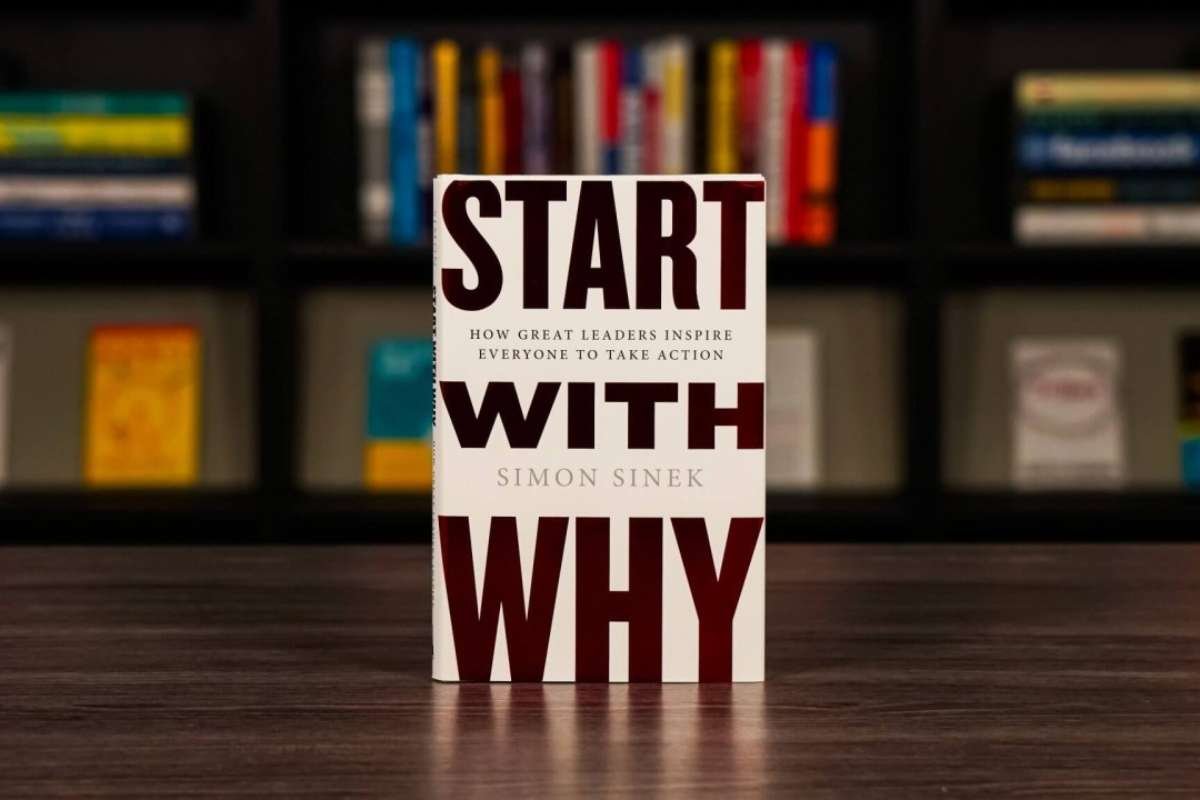
1. Start with why: how great leaders inspire everyone to take action by Simon Sinek
- Publishing Date: October 29, 2009
- Type: Business Leadership
Strong leadership often starts with a clear sense of purpose. Start with Why explores why some leaders and organizations inspire people to believe in their vision, while others struggle to build the same connection. The book presents the idea of the “Golden Circle” and shows how purpose can shape communication, decision-making, and team motivation.
Best For: Leaders who want to communicate a stronger vision and purpose.
Key Takeaway: People respond more strongly when they understand why a leader is asking them to act.
2. The leadership challenge by James kouzes and barry posner
- Publishing Date: 1987
- Type: Business Leadership
What does effective leadership look like in practice? The Leadership Challenge answers this through five core practices: Model the Way, Inspire a Shared Vision, Challenge the Process, Enable Others to Act, and Encourage the Heart. Rather than treating leadership as a fixed personality trait, the book focuses on behaviors that leaders can learn and apply.
Best For: Managers and professionals developing practical leadership skills.
Key Takeaway: Strong leadership comes from consistent behaviors that build trust, direction, and commitment.
3. Good to great: why some companies make the leap, and others don’t by Jim Collins
- Publishing Date: October 16, 2001
- Type: Business Need
Why do some companies maintain strong performance while others fail to sustain their success? Jim Collins examines this question through years of research and identifies patterns linked with companies that made the move from good performance to exceptional results. Ideas such as Level 5 Leadership, disciplined people, the Hedgehog Concept, and a culture of discipline form the foundation of the book.
Best For: Business leaders focused on long-term organizational performance.
Key Takeaway: Sustainable success depends on disciplined leadership, the right people, and consistent execution.
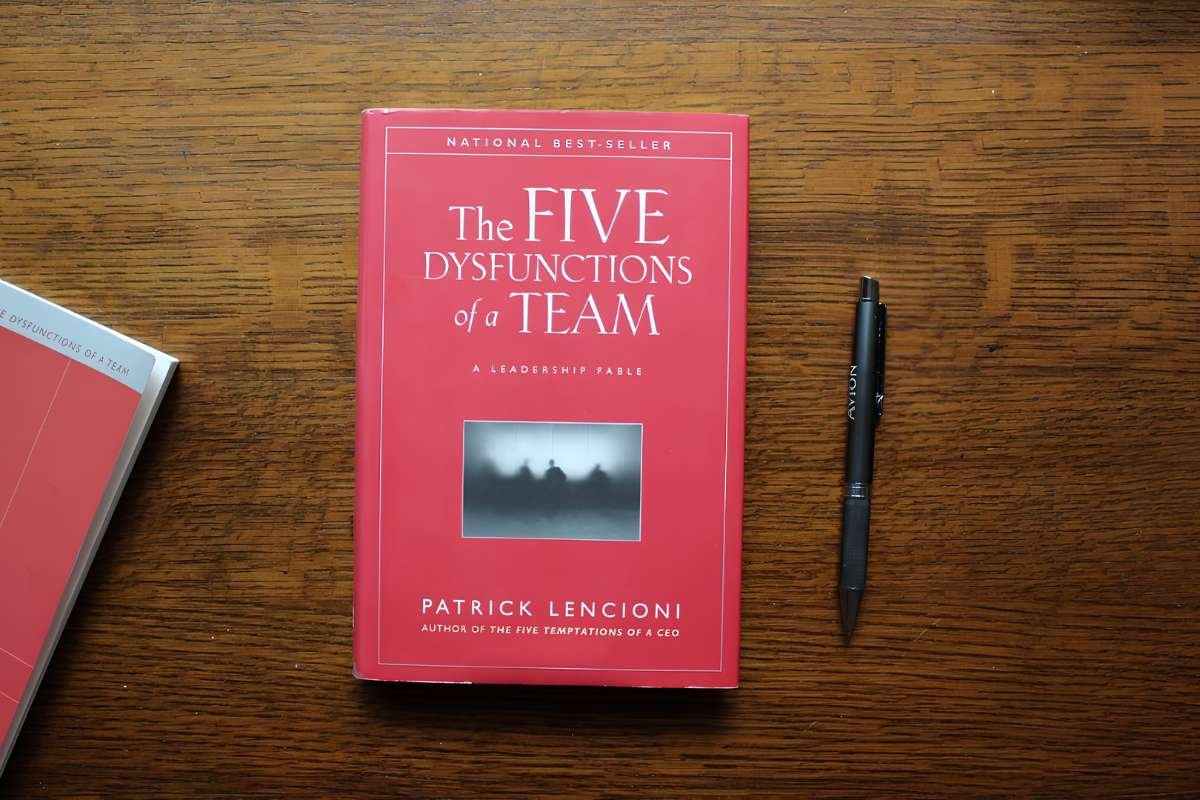
4. The Five Dysfunctions of a Team
by Patrick Lencioni
- Publishing Date: 2002
- Type: Business Need
A talented group can still perform poorly when its members do not trust one another or take responsibility for results. Patrick Lencioni presents five common problems that weaken teams: absence of trust, fear of conflict, lack of commitment, avoidance of accountability, and inattention to results. The book uses a business story to make these problems easier to recognize in real workplaces.
Best For: Leaders trying to improve teamwork, trust, and accountability.
Key Takeaway: High-performing teams need trust, healthy conflict, commitment, accountability, and shared results.
5. Dare to lead: brave work. Tough conversations. Whole hearts. By brené brown
- Publishing Date: October 9, 2018
- Type: Business Leadership
Leadership is not only about authority or decision-making. Dare to Lead focuses on the harder human side of leadership, including vulnerability, difficult conversations, trust, courage, and accountability. Brown challenges the idea that vulnerability makes leaders weak and explains how openness can help create stronger relationships and healthier team cultures.
Best For: Leaders building trust and more open workplace cultures.
Key Takeaway: Courageous leadership requires honest communication, vulnerability, and accountability
6. Leaders Eat Last by Simon Sinek
- Publishing Date: January 7, 2014
- Type: Leadership Books on Future of Work
A team’s performance can change significantly when people feel that their leaders genuinely support them. Leaders Eat Last looks at the connection between leadership, trust, workplace culture, and employee well-being. It explores why people work better when they feel safe, valued, and part of something larger than their individual role.
Best For: Leaders focused on employee trust, engagement, and team culture.
Key Takeaway: People are more willing to contribute when leaders create an environment of trust and shared purpose.
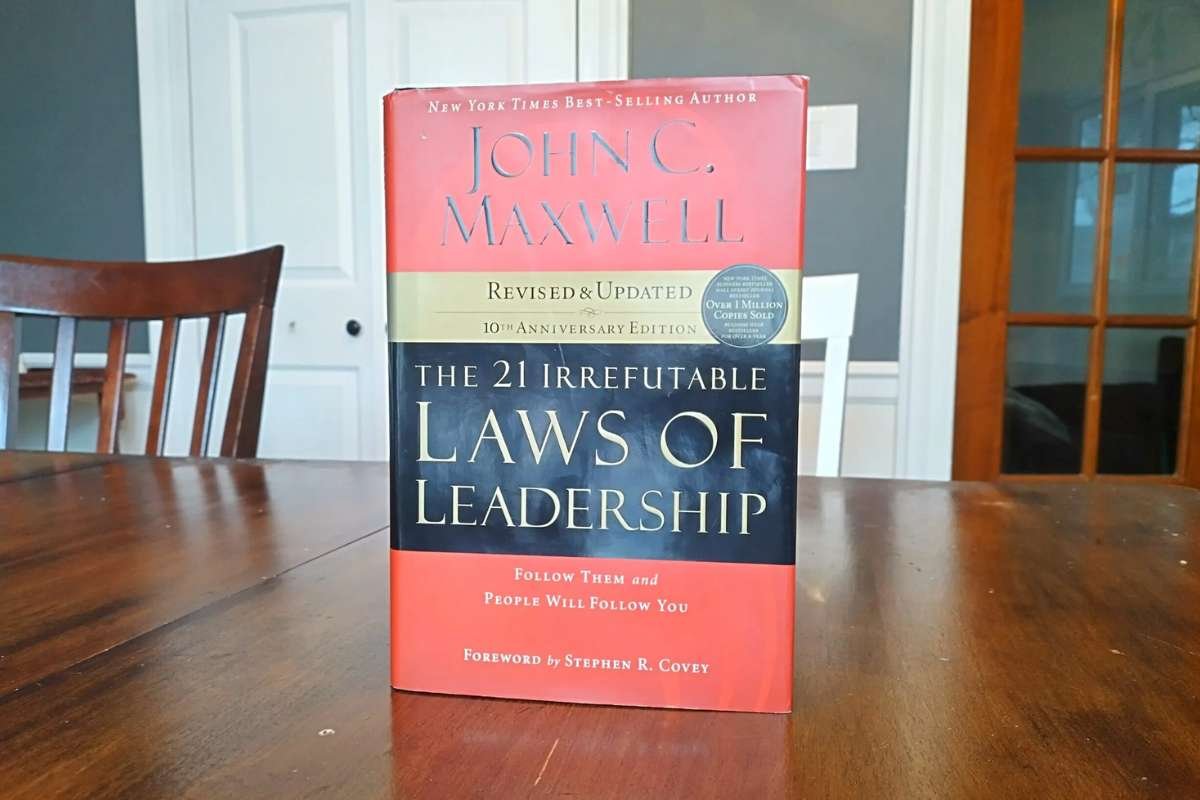
7. The 21 irrefutable laws of leadership by John
- Publishing Date: 1998
- Type: Business Leadership
Leadership can be understood through a set of principles that influence how people build credibility, guide teams, and develop their influence. Maxwell presents 21 laws covering areas such as influence, trust, growth, teamwork, priorities, and the development of other leaders. Each principle offers a simple way to think about a specific leadership challenge.
Best For: New and experienced leaders looking to strengthen their leadership fundamentals.
Key Takeaway: Leadership grows through influence, consistent development, strong relationships, and the ability to develop others.
8. The effective executive by Peter f. Drucker
- Publishing Date: 1966
- Type: Business Need
Being busy does not necessarily make an executive effective. Drucker focuses on the habits that help leaders make better use of their time, strengths, attention, and decision-making. The book encourages executives to concentrate on meaningful contributions, understand where their strengths create the most value, and turn good intentions into measurable results.
Best For: Executives and managers who want to improve productivity and decision-making.
Key Takeaway: Effectiveness comes from managing priorities, strengths, time, and contributions with discipline.
9. Primal Leadership by Daniel Goleman, Richard Boyatzis, and Annie McKee
- Publishing Date: 2002
- Type: Leadership Books on Future of Work
Emotions can shape the way a leader communicates, makes decisions, and influences a team. Primal Leadership examines emotional intelligence in leadership and introduces different leadership styles that can affect workplace performance and morale. The authors connect self-awareness, empathy, emotional control, and social skills with a leader’s ability to create a productive team environment.
Best For: Leaders who want to improve emotional intelligence and interpersonal skills.
Key Takeaway: Leaders who understand and manage emotions can create stronger relationships and healthier team climates.
10. The hard thing about hard things by ben horowitz

- Publishing Date: March 4, 2014
- Type: Business Need
There is no simple formula for leading a company through its most difficult moments. The Hard Thing About Hard Things deals with the problems that often have no obvious solution, including hiring and firing, managing uncertainty, handling failure, and making difficult decisions. Its practical focus makes it especially useful for leaders facing the realities of running and growing a business.
Best For: Entrepreneurs and business leaders dealing with difficult decisions and uncertainty.
Key Takeaway: Effective leadership requires sound judgment, resilience, and the ability to act when no easy answer exists.
Each book approaches leadership from a different angle. Some focus on purpose and influence, while others explore team dynamics, emotional intelligence, workplace culture, or the difficult decisions leaders face. Together, these books provide practical ideas that readers can apply to their own leadership style and responsibilities.
Leadership lessons business leaders can apply today
Business leaders can turn leadership ideas into daily habits that improve team performance and workplace culture. These lessons can be:
- Clear communication helps employees understand expectations.
- Trust gives teams more freedom to make decisions.
- Leaders can also focus on developing their people.
- Strong leadership requires consistent action, not just good ideas.
Why is reading leadership books important?
- Gain inspiration: Leaders often face challenges and setbacks. Reading about how other leaders have overcome adversity can be incredibly motivating and help you persevere in your leadership journey.
- Learn new skills: Leadership books offer a wealth of practical advice and strategies that you can apply to your leadership role.
- Develop your leadership style: By reading about different leadership styles, you can identify the one that best suits your personality and strengths.
- Broaden your perspective: Leadership books can help you see the world through the eyes of others, which can be invaluable in developing your leadership philosophy.
Tips for getting the most out of your leadership book reading:
- Choose books that are relevant to your leadership goals.
- Set aside time each day or week to read.
- Take notes and highlight important passages.
- Discuss what you’re learning with other leaders.
- Apply what you’re learning to your leadership role.
Conclusion:
Building strong management capability requires selecting books that address your specific operational challenges and systematically applying those frameworks to daily work. Reading leadership books alone does not improve team performance. The value comes from translating written strategies into consistent leadership habits. To avoid information overload, pick one core book, focus on implementing its primary delegation or feedback model with your team, and measure the results before moving on to the next title.
FAQs
1. What are the best leadership books for first-time managers?
Top options for new managers include The Making of a Manager by Julie Zhou and First, Break All the Rules by Marcus Buckingham, which focus on fundamental supervisory skills.
2. How do you apply concepts from leadership books to daily work?
Choose one actionable framework per book, test it during team meetings or one-on-one check-ins, and refine your practice based on direct team feedback.
3. How many leadership books should a manager read per year?
Focusing on four to six high-quality books per year allows sufficient time to thoroughly read, digest, and implement the strategies in real workplace scenarios.
4. Are general management books better than industry-specific ones?
General management books cover universal human dynamics like communication and accountability, while industry-specific reads address unique operational constraints; both offer distinct value.
5. How do you measure if reading leadership books is improving your management?
Track operational markers such as improved project delivery timelines, higher team retention, clearer communication during meetings, and direct feedback from team members.